
Philanthropy 1992–2022: Budgets Swelled and Certain Nonprofit Types Flourished

As part of the Johnson Center’s 30th anniversary, Michael Moody reflects on what philanthropy looked like 30 years ago and highlights the remarkable transformation and growth of the sector since 1992. (Part 2 of 4)
Philanthropy 1992–2022: Giving Changed — How Much, Where To, and Who From

As part of the Johnson Center’s 30th anniversary, Michael Moody reflects on what philanthropy looked like 30 years ago and highlights the remarkable transformation and growth of the sector since 1992. (Part 1 of 4)
Slow Train Coming: Taking Time for Community-Driven Systems Change

A new generation of funders is radically challenging how the sector defines and achieves its goals — arguing that shifting power to communities is both more ethical and effective for long-term impact.
Don’t Start a Nonprofit. Start a Giving Circle.

Nonprofits are a popular way to give back. However, they are not the only option — or even the best option, oftentimes. Giving circles are an excellent alternative that may provide greater impact with lower effort.
The Community Investment Network and the Fierce Urgency of Now

In honor of Black Philanthropy Month, Marsha Morgan shares how the Community Investment Network lifts up Black philanthropy by supporting giving circles and Black donors.
One Health and Animal Protection Philanthropy: A Growing Sub-Sector
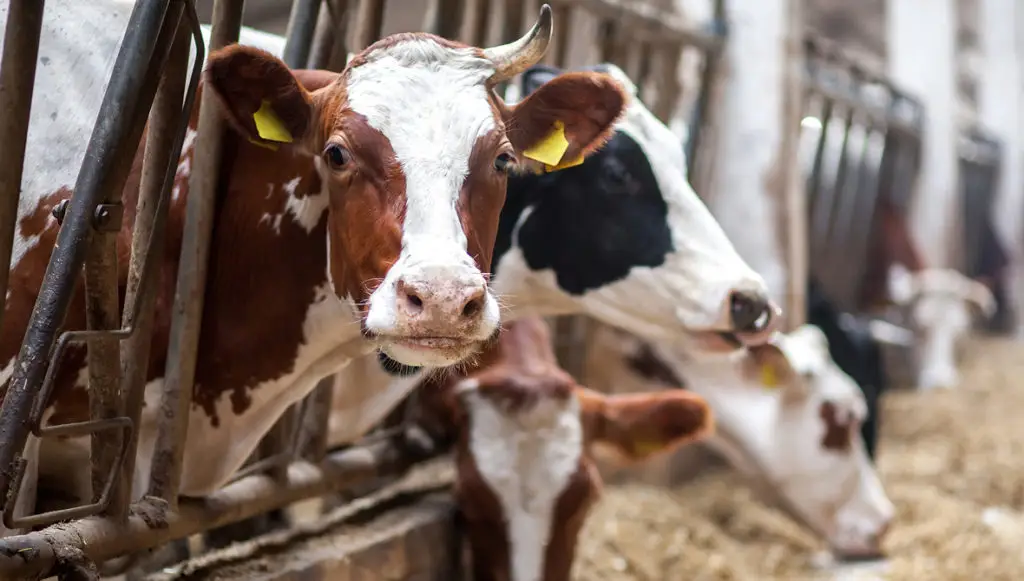
As we better understand how our relationships with animals — as sources of food, labor, co-carriers of diseases, etc. — affect our health and theirs, a fast-growing sub-sector is focused on improving outcomes for all.
Was 2020 a Turning Point for Global Philanthropy? Yes and No.

Did 2020 and 2021 truly represent a turning point in philanthropy? Have foundations consequently reformed their practices — and are they sustaining those changes? The answer is complicated.
Four Key Distinctions to Help Make Sense of a Complex Philanthropic Universe

To help you navigate the complex philanthropic landscape, Michael Moody highlights four simple yet key distinctions in the field.
Reopening Federal Pell Grants for Incarcerated People Means Higher Ed and Funders Can Do More
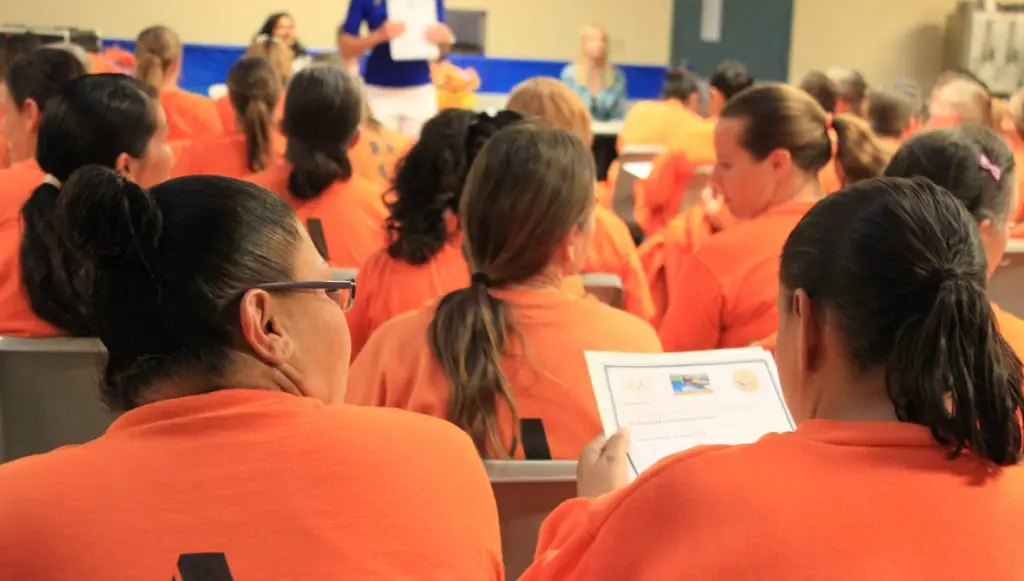
The reopening of the federal Pell Grant program could launch a new era of higher education for people who are incarcerated.
Philanthropy’s Response to the Crises of 2020
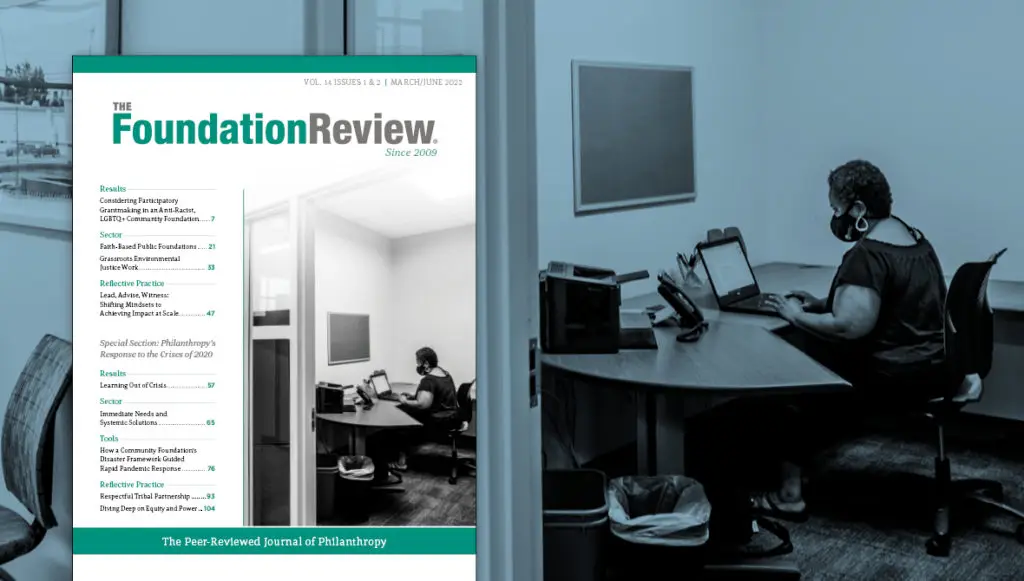
The articles in this double issue of The Foundation Review offer intellectual, ethical, and practical frameworks for foundations in guiding their actions.