
In Ghana, community philanthropy is characterized by a rich mix of local history, traditional leadership structures, family and business efforts, and community self-respect. Here, I share two stories of how two different communities in my country built philanthropic organizations for themselves.
Ada is located along the southeastern coast of Ghana. Economically, it is home to a booming tourism industry and luxury waterfront resorts that attract weekend travelers from Accra. Yet just behind these beautiful spots are sprawling salt flats, fishing communities, and workers who labor under the hot sun at the Songor Lagoon.
To bridge these gaps and drive true development, the Ada Central Development Foundation (ACDF) was formed. Built not as a temporary charity project, but as a permanent philanthropy infrastructure, the ACDF was designed from the ground up to support locally led development across both East and West Ada. The goal is simple yet revolutionary: to put development power directly back into the hands of the people.
Despite the rich natural wealth here — from the valuable salt flats to the booming tourism industry — the daily reality for ordinary people across Ada’s many island and coastal communities is very tough. For years, basic needs have been completely neglected. Families in some villages wake up without clean, pipe-borne drinking water; they are forced to use unsafe water or to walk long distances just to get a bucketful.
Ada is not just one single town. It is a network of different villages, clans, and sub-chiefs, and each group is deeply proud of its own heritage.
In 2024, a team from the Ghana Philanthropy Forum visited the Ada community. With the support of a passionate young community member, the team met with traditional leaders to introduce the Community Foundation Development Model. This approach was intended for the traditional authorities to take the lead in addressing local challenges using their own resources and collective strengths. This is the story of how the ACDF was built from the ground up.
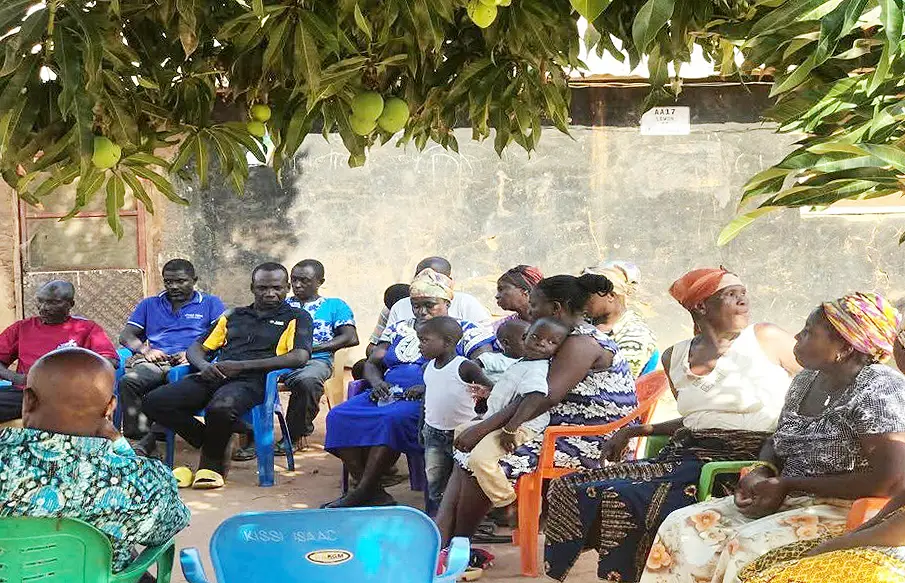
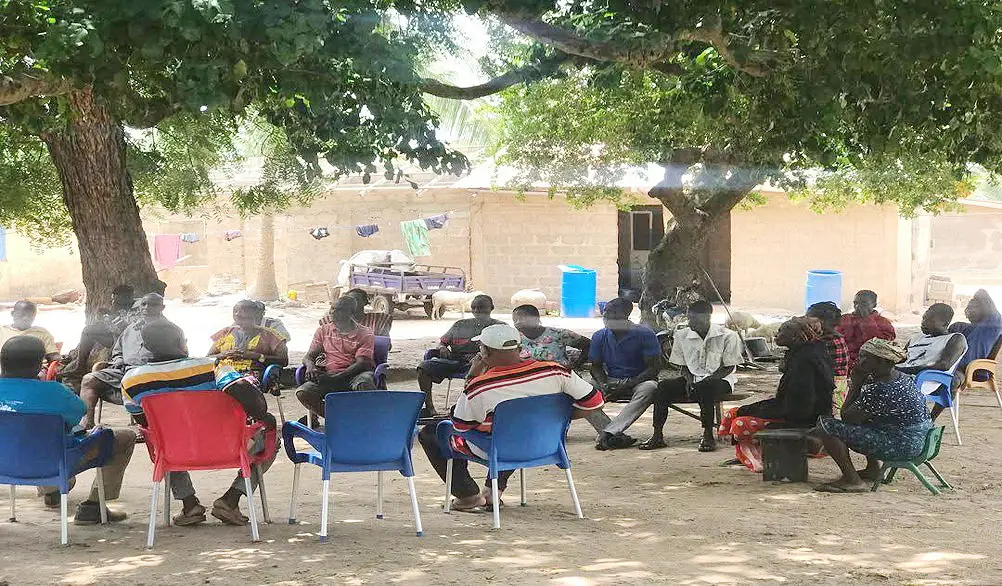
In Ghana, community foundations are still emerging, but they represent a powerful shift in development thinking. They demonstrate that sustainable change is strongest when communities are not just beneficiaries of philanthropy but active stewards of their own development. Every successful community foundation begins with a simple belief: that the people who know their community best are also best positioned to build its future.
The formation of a community foundation in Ghana typically begins with the identification of pressing social, economic, or environmental challenges within a specific community. Local stakeholders — including traditional leaders, civil society organizations, business owners, religious institutions, and residents — come together to define a shared vision for addressing these needs through collective action. This collaborative process leads to the development of a clear mission and the establishment of a nonprofit organization, usually registered as a company limited by guarantee under Ghanaian law.
To ensure accountability and public trust, the foundation adopts sound governance structures, including an independent board of directors, transparent financial management systems, and well-defined operational policies.
The foundation then mobilizes resources from diverse sources, such as individuals, local businesses, philanthropic organizations, and the Ghanaian diaspora, while working toward the creation of an endowment fund to support its long-term sustainability. As its capacity grows, the community foundation provides grants and other forms of support to local initiatives, strengthens partnerships among key stakeholders, and serves as a catalyst for community-led development. Through this process, community foundations in Ghana foster a culture of local philanthropy and collective responsibility, empowering communities to drive their own sustainable development.
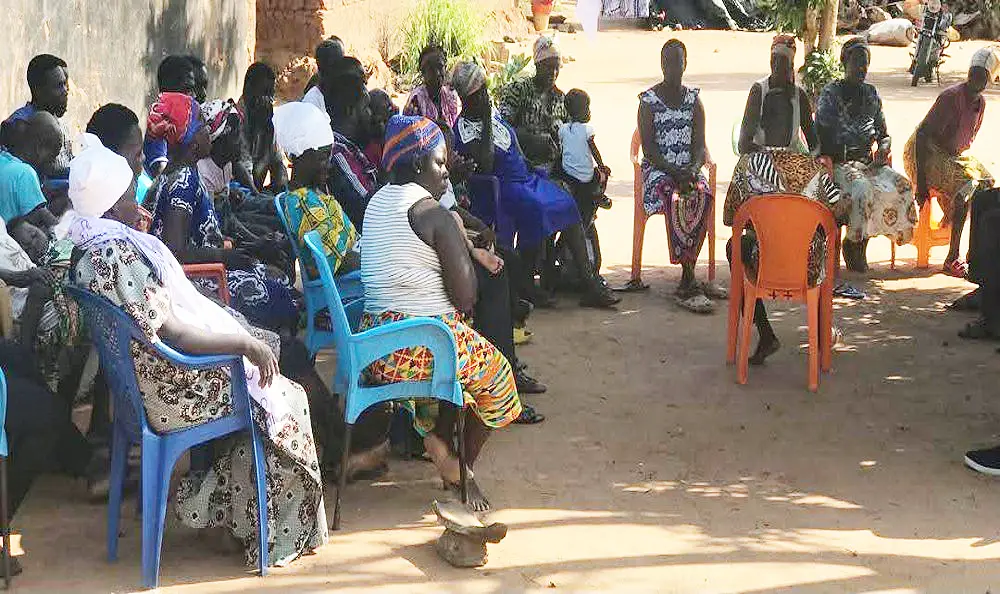

By mid-2025, lingering doubts had turned into collective excitement. The community began setting up the actual framework for the foundation: forming the board, writing the rules, securing official registration at the Registrar General’s Department, and nominating a dedicated manager to handle the operations of the foundation.

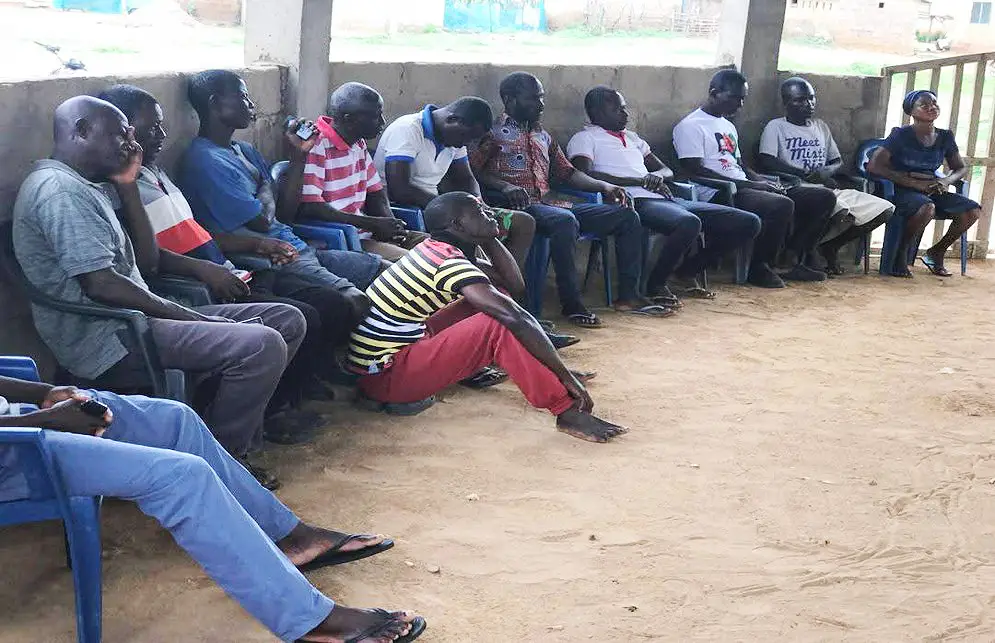
The week before the launch was full of activities, including clean-up events along the beaches and markets, and health walks, among others.
On a beautiful afternoon in November 2025, the ACDF was officially launched. Early that morning, volunteers and local youth set up the grounds, putting up canopies and arranging chairs.
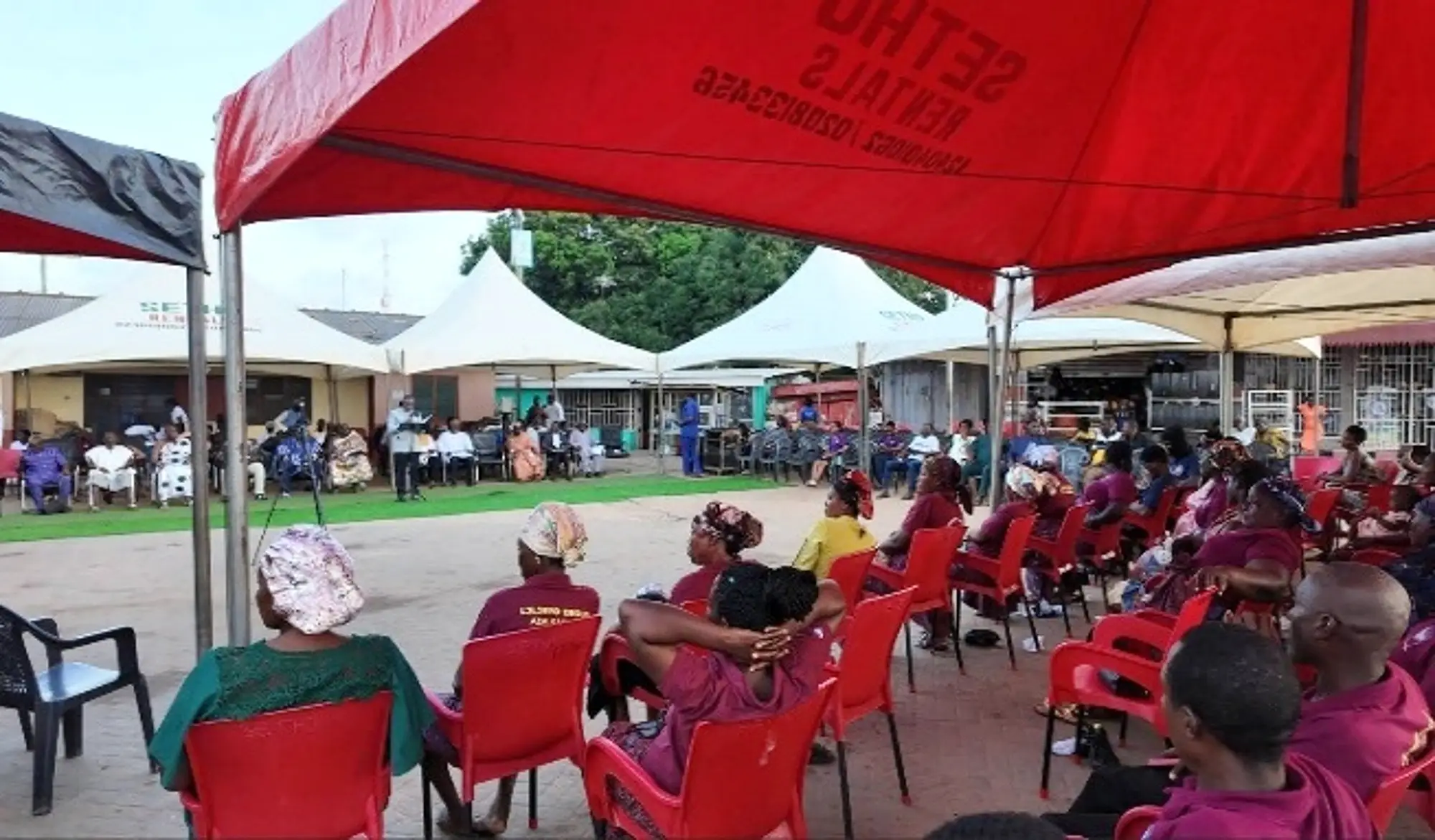
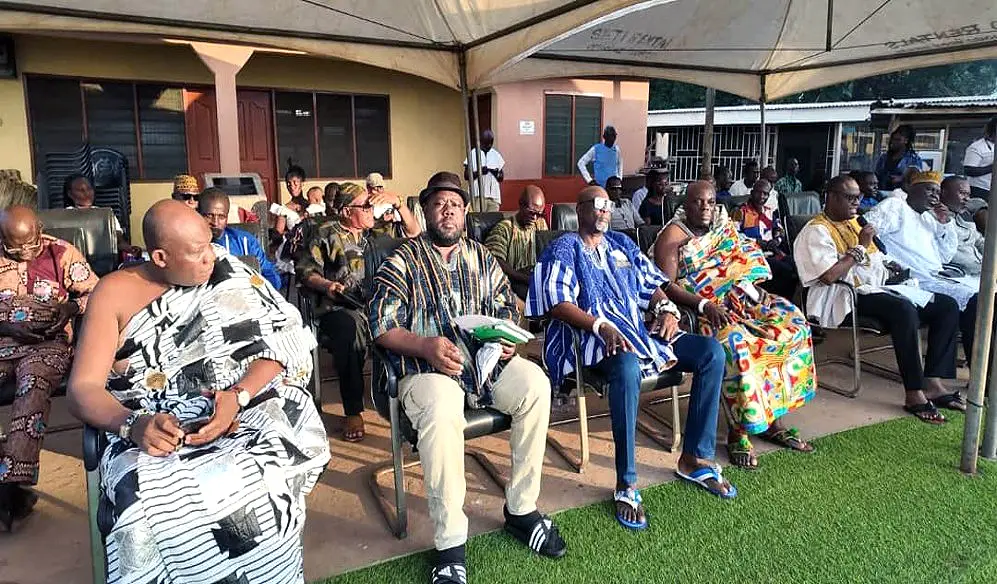
The atmosphere was filled with traditional drumming and dancing. Chiefs from different towns who rarely sat together arrived in beautiful, bright kente cloths and sat side by side.

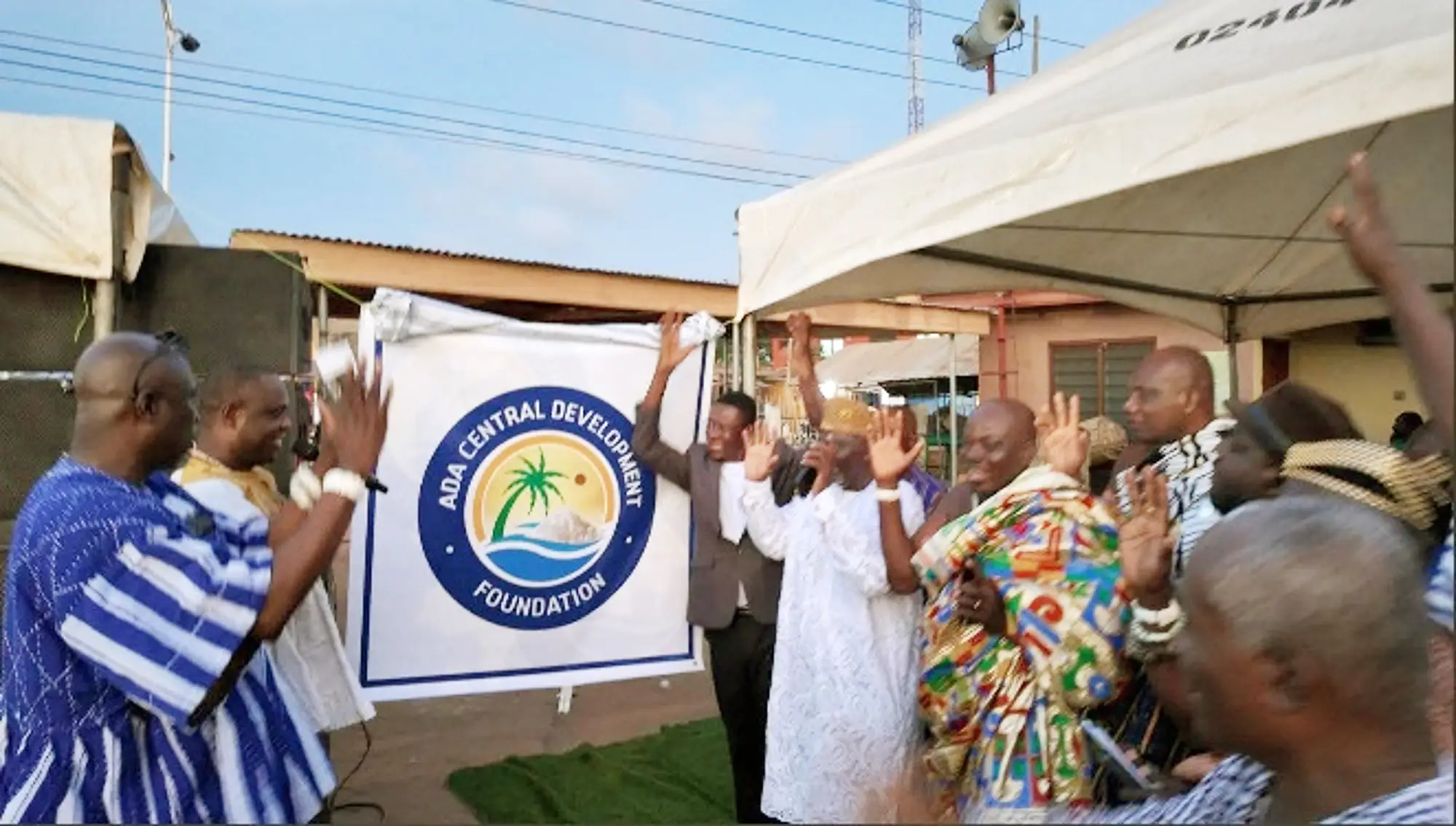
The launch wasn’t just a celebration; it served as Ada’s first local fundraising drive. Local business owners, market women, and resort managers stepped forward to contribute their own money to the fund.
Another outstanding example of a community foundation is the Obohen Community Development Charitable Trust (OBOCOTRUST), a community foundation rooted in the rich traditions, shared values, and strong communal spirit of the people of Abora Obohen in Ghana’s Central Region. Established to address the development needs of the community and its surrounding areas, OBOCOTRUST embodies the principles of community-led philanthropy by mobilizing local leadership, engaging residents and the diaspora, and partnering with philanthropists to improve education, healthcare, and community infrastructure. By building on the community’s longstanding culture of self-help and collective action, OBOCOTRUST demonstrates how community foundations can transform local aspirations into sustainable development initiatives that benefit both present and future generations.
Alongside its strengths, Obohen faces real and persistent problems. The community’s clinic building is in poor condition, due to poor construction and years without adequate maintenance. Boreholes that once supplied clean water stopped working years ago, forcing families to rely on local ponds and raising the risk of water-borne disease. Roads flood during the rainy season, poor drainage has allowed erosion to damage the landscape, and mud-built homes are vulnerable to collapse during heavy rain, leaving families without shelter.
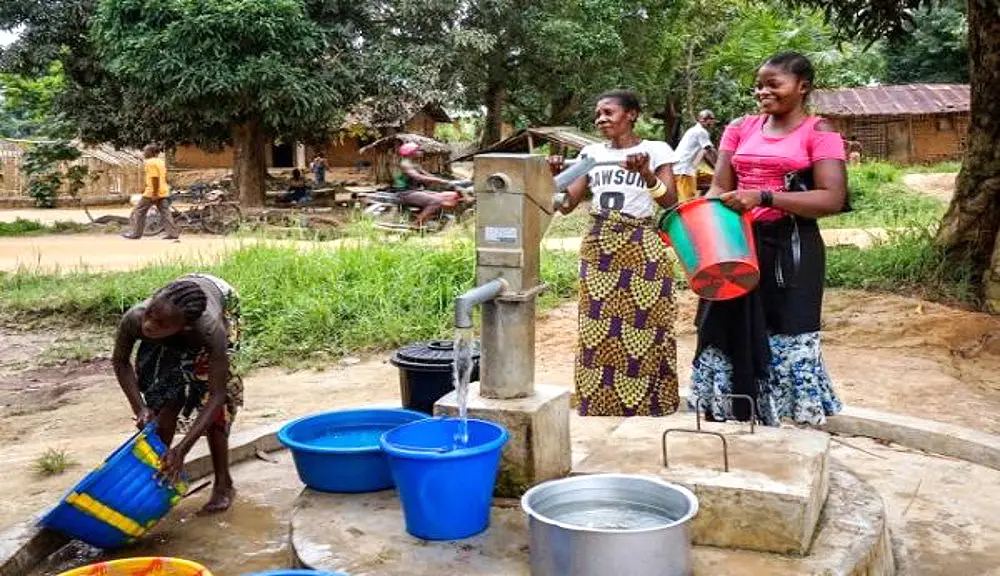
The turning point came after a difficult experience with a water project. An NGO had installed boreholes in Obohen years earlier, with a formal ceremony attended by district officials. Within a few years, most of the boreholes had stopped working. The community, particularly the women who traveled the farthest for water, felt the weight of this failure directly.
The Community Foundation initiative was spearheaded by a twelve-member planning committee comprising indigenous members of the Obohen community who shared a common commitment to improving the community’s socio-economic well-being. Their deliberations were guided by three fundamental principles. First, all contributions would be preserved as permanent community assets rather than expended for short-term purposes. Second, decisions regarding the allocation of resources would be made by the community itself, ensuring that development priorities reflected local needs rather than the preferences of external donors. Third, the foundation would uphold the highest standards of transparency and accountability by openly disclosing its financial activities during community meetings. Guided by these principles, the OBOCOTRUST was established as a community-owned and community-governed institution dedicated to advancing sustainable local development.
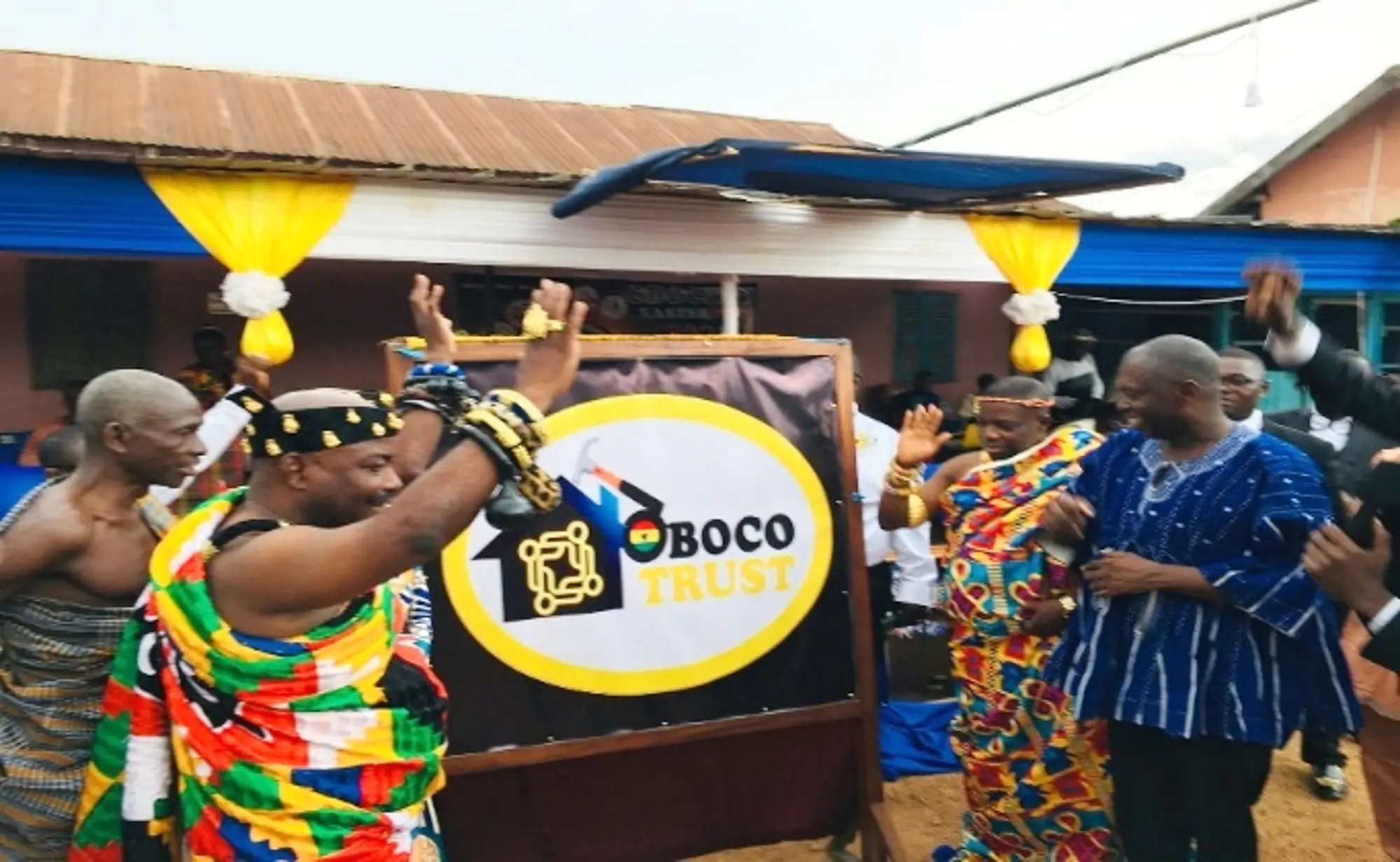
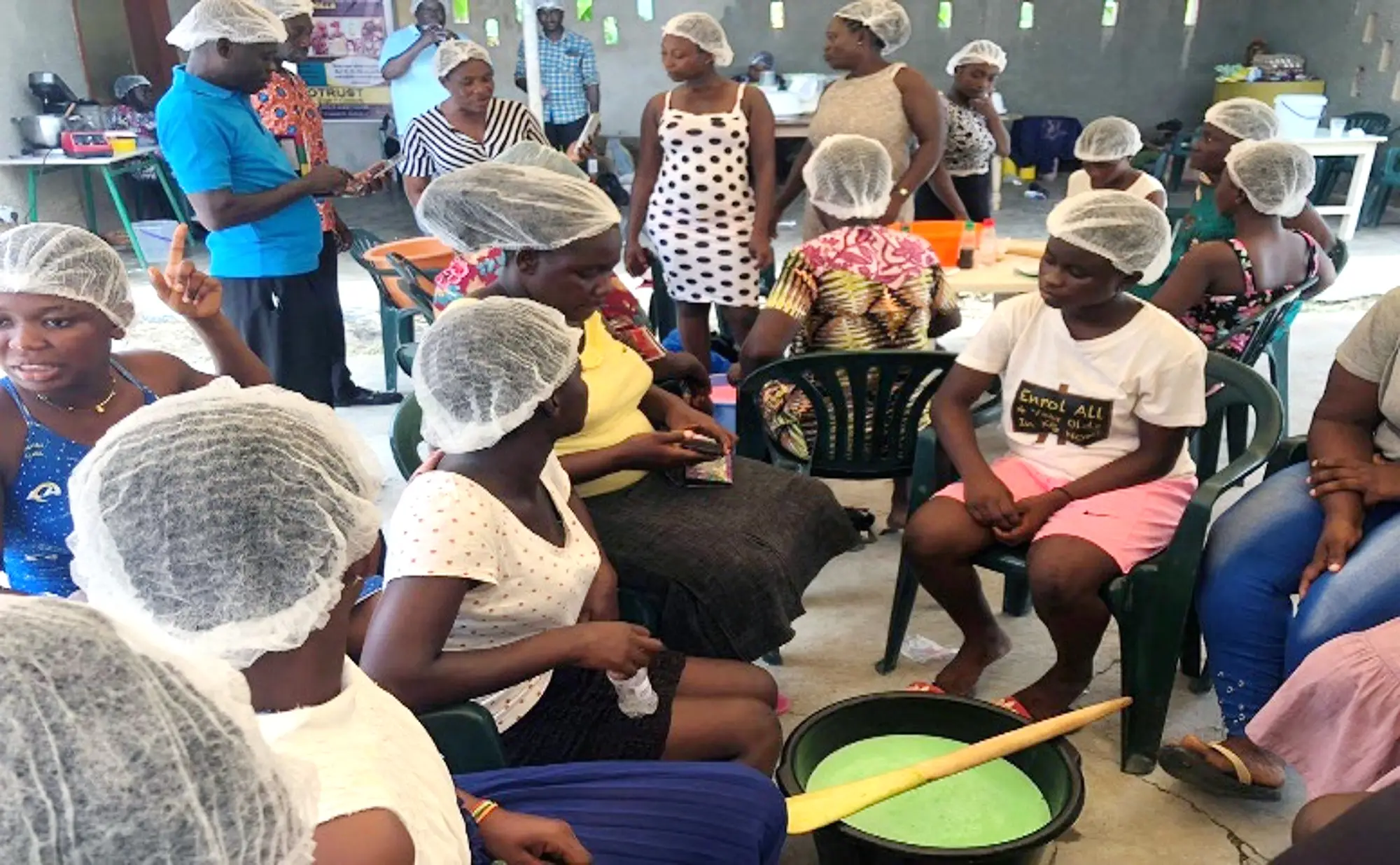
Philanthropy in Obohen is deeply embedded in the community’s social and cultural fabric, long predating the establishment of any formal charitable institution. Giving is expressed through a variety of traditional structures that have sustained communal life for generations. Among these are the Day-Born groups, which bring together individuals who share the same Akan birth-day name. Both local residents and members of the diaspora actively contribute to community development projects, often inspired by a spirit of friendly competition. The Asafo companies also play a significant role, using proceeds and goodwill generated through their performances at funerals, festivals, and ceremonial occasions to support community initiatives. Similarly, women’s susu groups foster economic resilience by pooling regular savings and rotating funds among members, thereby strengthening local livelihoods and circulating capital within the community. Community volunteer groups contribute their labour to activities such as land clearing, communal sanitation, and construction projects, while churches and extended families continue to provide informal support to vulnerable households. Although these groups operate independently in their day-to-day activities, they unite when the broader interests of Obohen are at stake, collectively mobilizing their resources, time, and expertise to advance the development of the community.
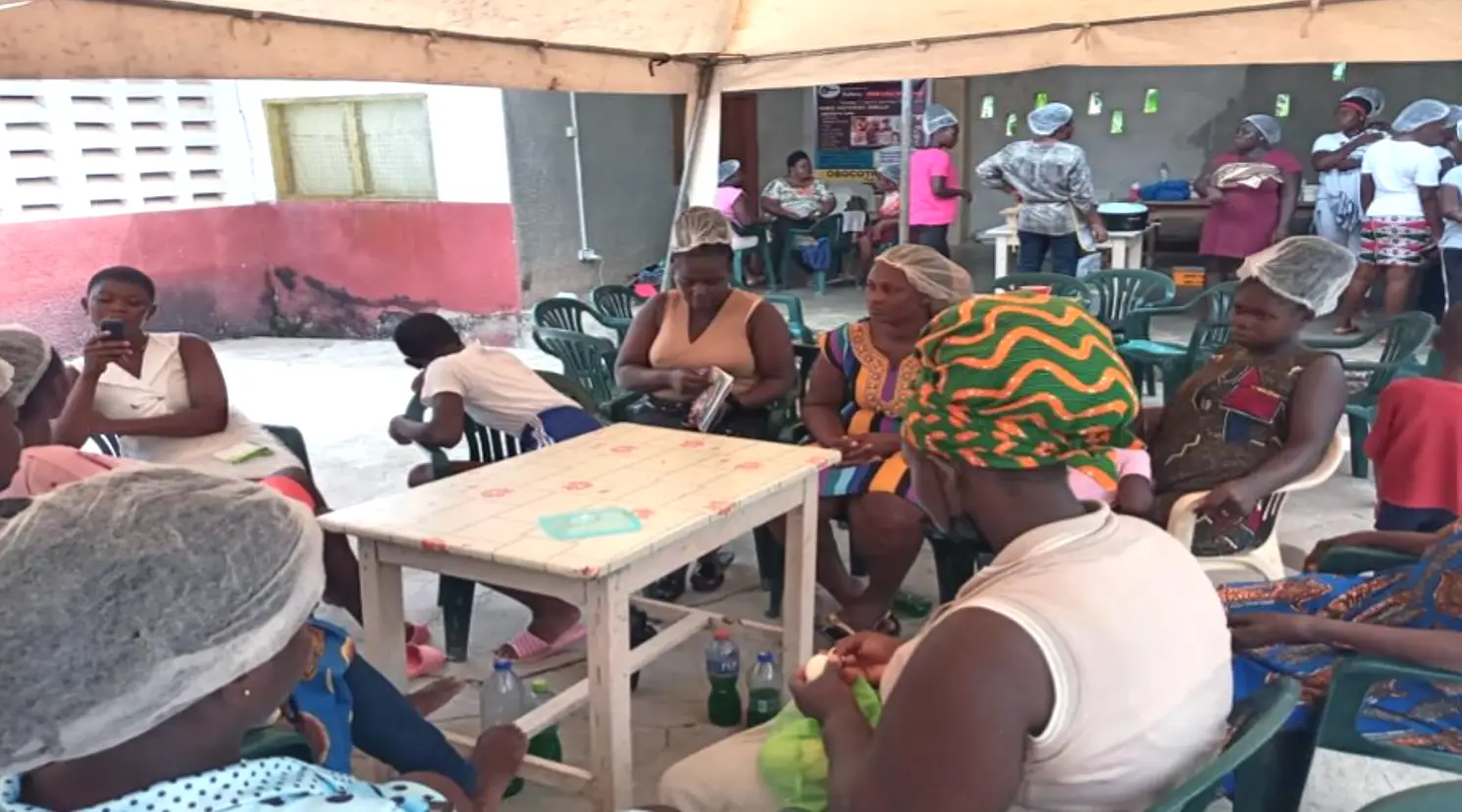
The collective contributions of Obohen’s residents — through financial support, volunteer labour, and shared goodwill — have translated into tangible improvements in community well-being. These efforts have restored access to clean water by rehabilitating damaged boreholes, expanded access to preventive healthcare through community health screening exercises, provided support for vulnerable elderly residents, and equipped young people with vocational skills to enhance their employment prospects. They have also resulted in the near completion of a community-funded Day Nursery, which will provide a safe and conducive environment for early childhood learning and development.
In addition to these social investments, Obohen has strengthened its commitment to sustainable development through a community farming initiative established in partnership with the local school. The project, which includes poultry, piggery, and maize cultivation, supports both education and community development. Eggs produced from the poultry enterprise contribute directly to school feeding, while proceeds from the piggery and maize production are reinvested to sustain community-led initiatives.
Although significant progress has been made, the community acknowledges that its development journey is ongoing. Through the combined efforts of Day-Born groups, Asafo companies, women’s savings groups, volunteers, churches, and extended families, Obohen has demonstrated the power of collective action and local philanthropy. Its experience illustrates how communities can harness their own traditions, resources, and social capital to build a more resilient and sustainable future.