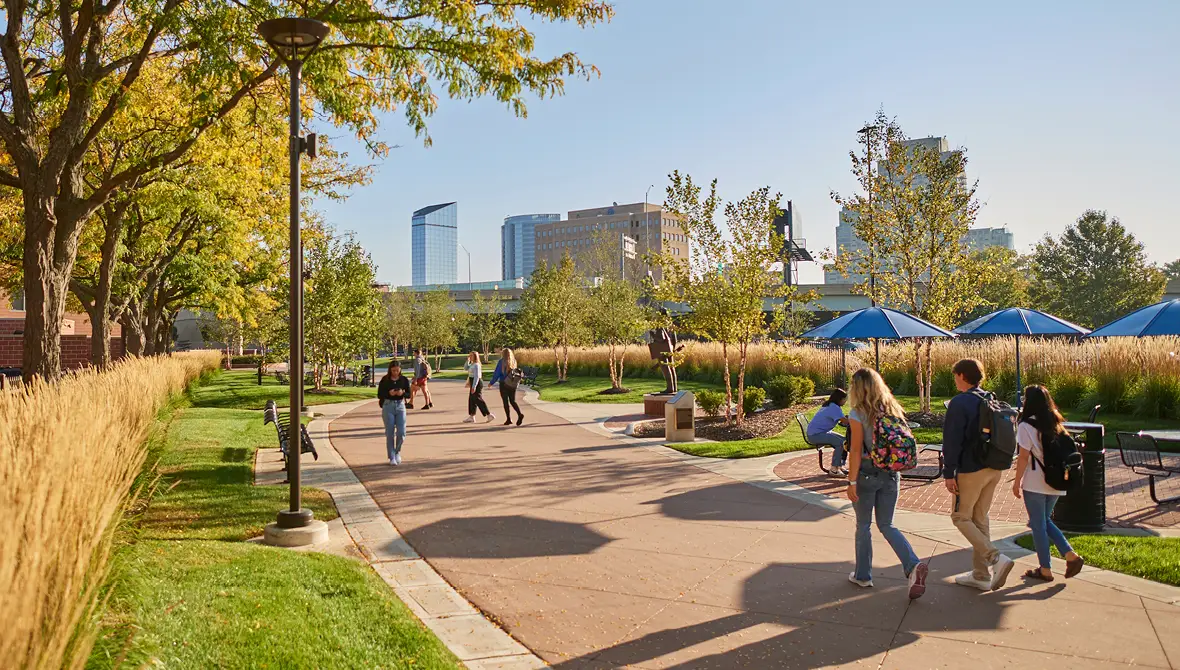
“Research-to-practice” has been at the heart of our work at the Dorothy A. Johnson Center for Philanthropy since the center’s establishment in 1992 at Grand Valley State University (GVSU) in Michigan. It reflects a university-wide commitment to “[enrich] society through excellent teaching, active scholarship, advancement of equity, and public service.” The value of connecting the intellectual and character-building activities of higher education to stronger, more dynamic communities presents a clear call to action.
Michigan’s nonprofit sector encompasses a great diversity of mission areas, unique geographies, and historic circumstances. Similarly, GVSU’s faculty scholars hold expertise on topics and skills as wide-ranging as public health, graphic design, elementary education, and political science.
We believe in the power of these academic disciplines — grounded in scholarship and driven by a desire to strengthen day-to-day practice in communities — to enrich civic life and culture.
In the fall of 2025, the Johnson Center named three inaugural awards from the Juan Olivarez Learning Equity Endowment (JOLEE) to support faculty-nonprofit partnerships. The endowment supports problem-solving, intellectual curiosity, and relationship-building between GVSU faculty members of any discipline and small Michigan-based nonprofits.
We are delighted to share the stories and reflections of our three inaugural awardees. Their words uplift inspiring stories of partnership and impact.
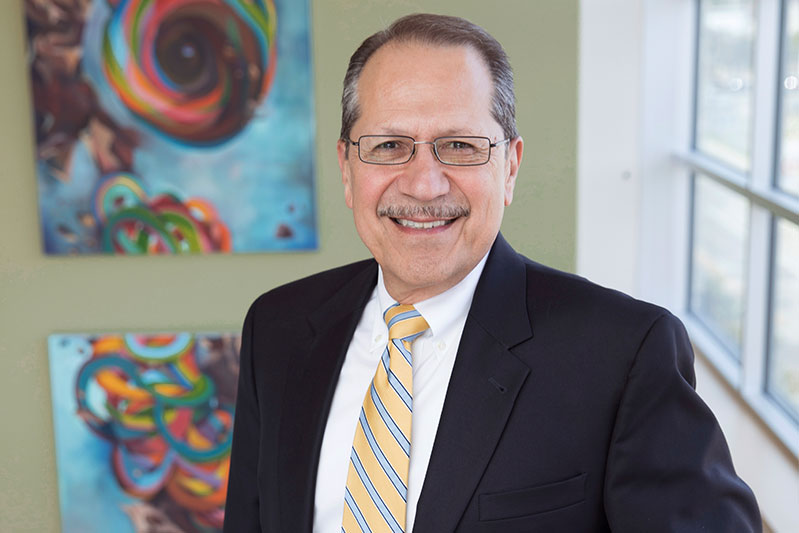

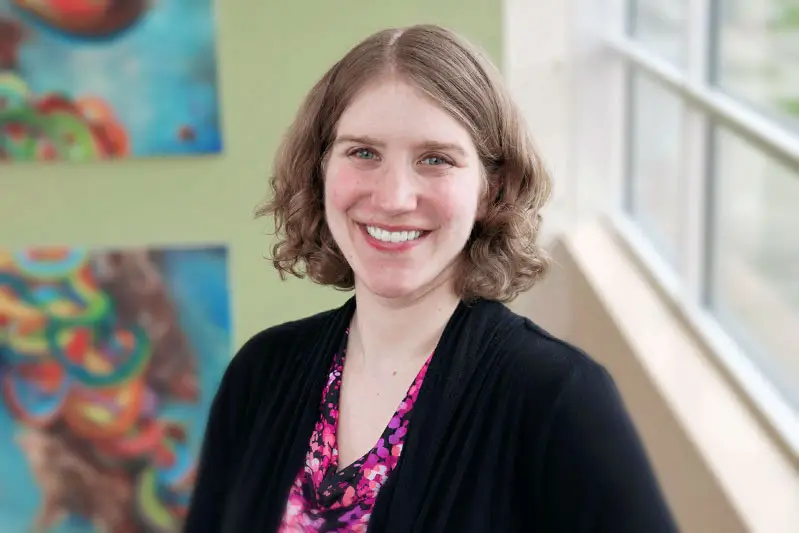
Maggie Bayerl of The Ability Collective of Barry County (ACBC) and I set out to build ACBC’s advocacy capacity. As a new, mission-driven organization, ACBC was looking to find its voice related to advocating for people with disabilities and their families, something within my expertise.
Founded in February 2025, ACBC is already making its mark, working to build an inclusive Barry County where people with disabilities and their families have support, resources, and opportunities to engage in community life. But turning passion into effective advocacy requires a roadmap.
That’s where our collaboration stepped in. Together, we developed a comprehensive advocacy framework tailored to ACBC’s needs, including: a decision-making tree to identify priority issues and appropriate actions, legislative engagement guidelines that keep advocacy efforts within IRS rules for maintaining nonprofit status, ready-to-use templates for communicating with legislators, marketing and messaging strategies designed for maximum impact, rural-specific advocacy tactics suited to Barry County, documentation requirements to track advocacy activity, and a compliance checklist to safeguard ACBC’s nonprofit status.
The result is a set of tools and a framework that offers a foundation for ACBC’s important work. With this framework, ACBC is equipped to advocate confidently and strategically on the issues that matter most to people with disabilities, their families, and the broader Barry County community, ensuring that ACBC’s mission continues to grow. The Johnson Center’s grant was greatly appreciated and truly helped ACBC and me to create a framework for the organization to do its advocacy work.

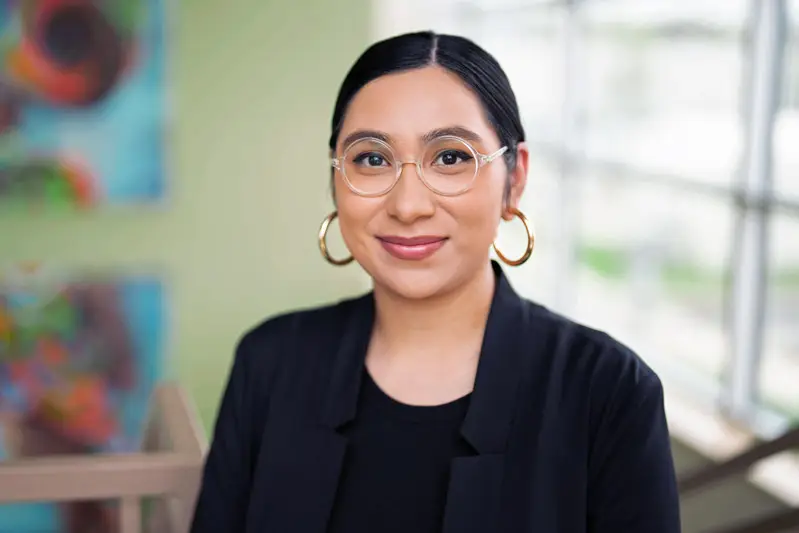
I was proud to partner with the Then and Now Genealogical Library of Allegan County in Dorr, Mich., as a recipient of the Juan Olivarez Learning Equity Endowment award. Our project grew out of an existing partnership with the library to provide expertise and guidance for their historical collections. We wanted to ensure that materials were safely stored and that volunteers and patrons could easily access them. At the end of the project, we successfully established a new physical filing system for the hundreds of photographs in the library’s possession, and we established a searchable database of the photograph collection that incorporates contextual metadata.
The new physical filing system allows staff to house photographs in folders with each town clearly labeled. Funds from the endowment will allow the library to purchase protective sleeves for photographs to ensure long-term durability and protection. The searchable database will allow patrons and volunteers to search more efficiently and effectively for photographs. Each photograph in the database has an entry with the photograph’s location, descriptive keywords, and identified people. Data about the photograph, such as donor information and photograph size and type, are also included.
This work mirrors the work I do every day at GVSU as the Lemmen Library’s Archivist for Rare Books and Special Collections. We follow best practices to ensure that our materials are accessible to the community and will be preserved for years to come. It was a privilege to work with the Then and Now Genealogical Library to achieve these same goals.

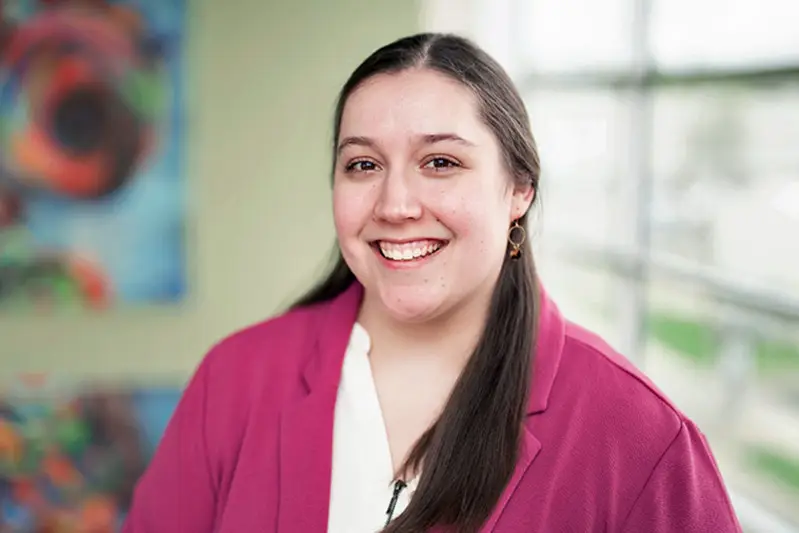
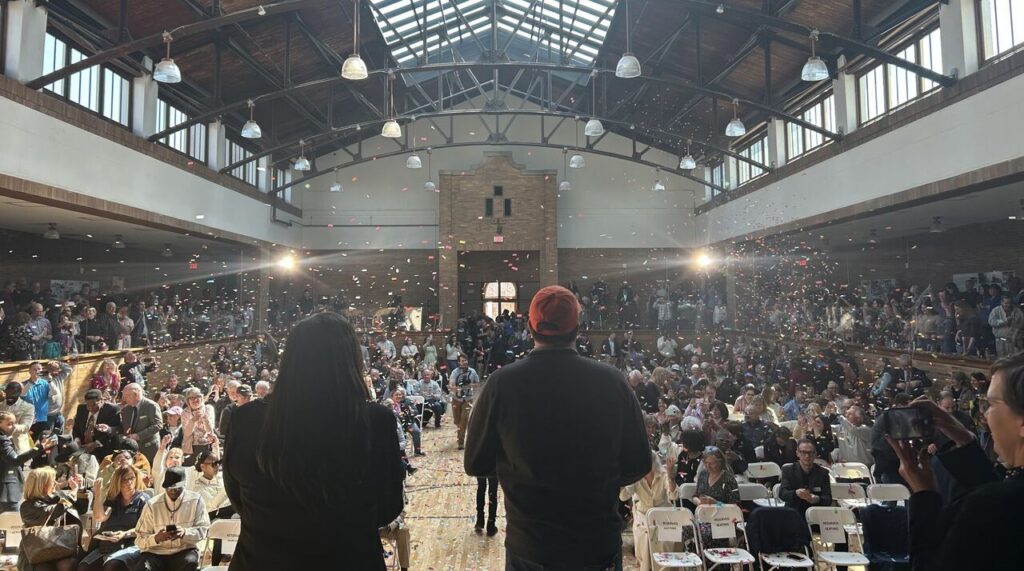
On March 21, 2026, the Detroit Public Schools Community District Office of Exceptional Student Education’s Gifted and Talented Education (GATE) department, in collaboration with The Roeper Institute and GVSU, launched its first Super Saturday, a free enrichment experience for students in grades 2–7.
Held at Golightly Education Center, the event brought together more than 150 students for a full day of advanced academic exploration, social-emotional learning, and meaningful peer connection. By providing transportation, breakfast, and lunch, the event removed common barriers to participation and expanded access to high-quality gifted programming.
The impact on students was substantial, as participants engaged in intellectually rigorous, interest-driven learning experiences that extended beyond the traditional curriculum. Through hands-on, interdisciplinary sessions led by content experts, students were challenged to think critically, solve complex problems, and collaborate with intellectual peers — experiences that are essential for gifted learners, who often require differentiated instruction and opportunities for depth, complexity, and creative exploration to remain meaningfully engaged. Equally important, Super Saturday fostered a sense of belonging and academic identity among students by connecting them with peers who share similar abilities and curiosities.
As a scholar-practitioner with expertise in gifted education, differentiated instruction, and talent development, I recognize the significance of initiatives such as Super Saturday in identifying and nurturing advanced potential, particularly in historically underserved student populations. My work in gifted education emphasizes equitable access, culturally responsive identification practices, and the design of rigorous learning experiences that move beyond acceleration alone to intentionally develop students’ critical thinking, creativity, and problem-solving capacities. During the event, I also led a parent workshop focused on helping families better understand the unique cognitive, social, and emotional characteristics of gifted learners, while providing practical strategies to support their children’s development both at home and in collaboration with schools.
Events such as this exemplify best practices in gifted programming by creating environments where high-ability learners are both challenged academically and affirmed socially, laying the foundation for long-term talent development and academic achievement.
To learn more about the Juan Olivarez Learning Equity Endowment, or to submit an application for the program, click here.