










Resources & Tools

Our blog serves as an accessible platform for the kind of content that supports innovative thinking and solutions-driven dialogues.
Interested in contributing? We invite you to share your own original research, professional expertise, and/or exploratory thoughts on the field with our network of philanthropy enthusiasts as a guest author. Visit our Write for Us! page to learn more.
Guidelines for re-posting/cross-posting our original blog content can be found here.
It’s on all of us to consider more than one voice, more than one data point, more than one anecdote as we seek to better understand, strengthen, and advance philanthropy.
When we look to learn — about the sector itself, or about the work we do — it helps to find a variety of resources, stories, and perspectives already gathered in one place.
That’s what you’ll find in our collections — a wealth of related blog posts, research reports, videos, webinars, and more that can help you get a handle on a new topic or area of expertise with information and insights you can rely on.
Many of these trends trace back to a central question: what is the role of philanthropy in a democracy? Across our sector, in politics, in business, and in our communities, people are asking who has the responsibility — or the right — to tackle complex problems like poverty and climate change. How are our societies changing, and how are nonprofits and funders evolving in response to community needs and global crises?
These questions and others — about the value and use of data, about trust in our relationships, about philanthropy’s role in advancing equity — both shape and are shaped by larger, dynamic forces in our world and our work. Each 11 Trends in Philanthropy report is meant to help you anticipate and embrace what’s next.
11 Trends for 2026
Explore the Full Reports

I’m always looking to better understand how philanthropy is evolving and what we are seeing as trends to be aware of. In my annual fundraising landscape review, I turn to publications like the Trends report to capture these changes to the context in which I will be fundraising. I appreciate the breadth of trends covered, particularly the inclusion of philanthropic infrastructure changes.”
Adriana Loson-Ceballos
Colmena-Consulting
Adriana Loson-Ceballos
Colmena-Consulting
Individual Trends in Philanthropy
We have published an annual 11 Trends in Philanthropy report every year since 2017. More than 100,000 readers have accessed the individual articles and resources shared in this collection.
Giving circles and other collaborative giving groups are made up of individuals who collectively donate money and sometimes unpaid time to support organizations or projects of mutual interest. Members have a say in how funding is given and which organizations or projects are supported.
Collective giving was a research focus of Jason Franklin, Ph.D., the inaugural holder of the W.K. Kellogg Community Philanthropy Chair. Jason conducted the research included in this Collection with collaborators in the Collective Giving Research Group: Jessica Bearman (Bearman Consulting), Julia L. Carboni, Ph.D. (Maxwell School of Citizenship and Public Affairs, Syracuse University), and Angela Eikenberry, Ph.D. (School of Public Administration, University of Nebraska at Omaha).
New Landscape Study
In Abundance: An Analysis of the Thriving Landscape of Collective Giving in the U.S.
Reports on Collective Giving
Explore More on Giving Circles
& Collective Giving Groups
Collective giving groups are an increasingly significant philanthropic force, engaging a greater diversity of donors, including women, people of various ethnic and racial backgrounds, and donors of all wealth levels.
Looking for more on community philanthropy?
For over 100 years, the most familiar form of institutional grantmaking in the U.S. has been the perpetual foundation — an organization created to exist and serve communities indefinitely into the future. But today, an increasing number of private and family foundations are choosing instead to set an end date for their existence.
Since 2017, the Johnson Center has been engaging with limited-life philanthropy across a range of initiatives — from a themed issue of The Foundation Review, to facilitating a peer-group of spend-down foundation executives, to launching a new course on the principles of limited-life philanthropy for foundations in 2026. As this segment of our sector grows, we are eager to learn, share, and engage with colleagues around the world.

More Foundations Opt for Planned Lifespans and Spend-Down Strategies
While broad-based research into the phenomenon of “limited-life philanthropy” — also called spend-down, sunset, or even sunrise philanthropy — is still fairly limited, it’s clear from the headlines that an increasing number of philanthropic families and foundations are choosing to adopt this approach. What’s driving this shift? And what lessons and legacies are already beginning to emerge?

Foundations are No Longer Wedded to the Long Game
Patience has been a defining aspect of institutionalized philanthropy for decades; permanent endowments meant foundations could afford to invest in change over the long term. Since 2010, however, there has been a significant shift toward creating foundations that have a defined endpoint. Donors’ reasons for creating these limited-life foundations vary widely.
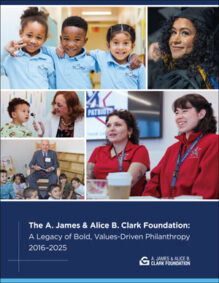
The A. James & Alice B. Clark Foundation: A Legacy of Bold, Values-Driven Philanthropy 2016–2025
This case study examines the Clark Foundation’s experience implementing its limited-life strategy, balancing the pursuit of immediate, measurable outcomes with the cultivation of strengthened capacity in partner institutions. The study highlights lessons for foundations considering time-limited philanthropic models and contributes to the growing literature on the practice and ethics of intentional philanthropic closure.
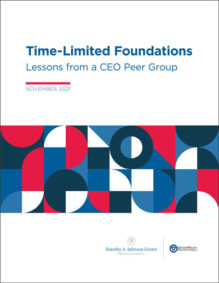
Time-Limited Foundations: Lessons from a CEO Peer Group
Rather than explore the why of spending out, this report provides insights into the day-to-day leadership and management of these foundations. For foundations or donors considering whether to have a defined lifespan for their giving, this resource provides insights into the practical implications of that decision.
Foundation Exits: A Survey of Foundations and Nonprofits
The Johnson Center collaborated with Independent Sector on a survey to better understand practices in ending funding relationships from both the funders’ and grantees’ perspectives. This 2019 report offers high-level conclusions about the exit experience, as well as recommendations for funders considering a limited lifespan.
A Peer Group of CEOs in Limited-Life Philanthropy
Since 2019, the Johnson Center has facilitated a peer-learning group of high-level leaders in limited-life (or spend-down) philanthropy. The chief executive officers of over a dozen foundations with defined closure dates convene virtually and in person several times a year for an experience that blends structured learning, facilitated discussions, and intentionally free-flowing networking.
The group currently has 18 different member organizations, with assets ranging from $26 million to $1 billion. Group members build a community of partners who share resources and perspectives to support impact in the field.
• Fred and Barbara Erb Family Foundation
• Fund for Lake Michigan
• Herrick Foundation
• Irving Harris Foundation
• Jacob & Valeria Langeloth Foundation
• James B. McClatchy Foundation
• McCune Foundation
• Nina Mason Pulliam Charitable Trust
• Posner Foundation
• Ralph C. Wilson, Jr. Foundation
• Ruth Nelson Family Foundation
• Tara Health Foundation
• Tikkun Olam Foundation, Inc.
• Wallace Global Fund
• Compton Foundation (closed)
• Gary Community Ventures
• James & Alice B. Clark Foundation (closed)
• The Lenfest Foundation (closed)
• The Medina Foundation
• Stupski Foundation
• The Whitman Institute (closed)
Are you or your organization interested in participating in the group?
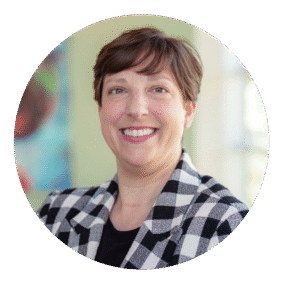
“Deciding whether to empty the vaults is often more personal than political. Ensuring that future foundation boards will adhere to a donor’s wishes gets trickier the longer a foundation exists.”
Elizabeth Dale on limited-life philanthropy models
The Chronicle of Philanthropy
IN THE MEDIA
Beyond Spend-Down vs. Perpetuity: Five Alternative Paths
Limited-Life Philanthropy in the News
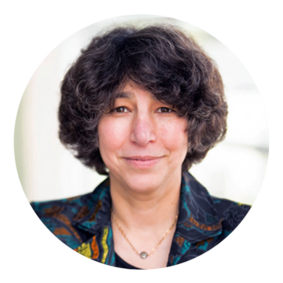
“Needs change and grow in ways that it’s important to have the active agility that allows philanthropy to be the best partner it can to the well-being of the community.”
Lesley Slavitt on the Richard and Helen DeVos Foundation
Crain Currency
“Sunsetting a foundation with the massive wealth of the Gates Foundation is unprecedented and will likely require strong strategic planning.”
Elizabeth Dale on the Gates Foundation
The Chronicle of Philanthropy
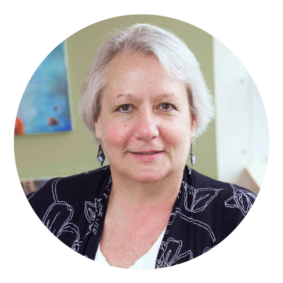
“Some donors want their family or people who knew them to make the funding decisions. Other donors believe that today’s problems should be addressed with today’s resources, she said. And still others believe that they are more likely to have an impact if there’s a higher concentration of resources over a short period of time.”
Teri Behrens on the Fred A. and Barbara M. Erb Family Foundation
Crain’s Detroit Business
Peoples, cultures, institutions, and places come together in countless ways all over the world to construct ecosystems of social good.
Globally, these practices are often informed by Western philanthropic traditions and structures — but more often, they represent unique community expressions of what it means to do good for one another.
Global Philanthropy
In this collection you will find resources and information about philanthropic practices worldwide, as well as perspectives from practitioners based outside the United States.
Philanthropy can be a substantial driver for prosperity in communities by supporting strategies for economic inclusion and access in our cities, towns, and regions. In this collection, we explore the factors that make up a healthy local and regional economy, one that strives to be inclusive and innovative. Voices from across the sector consider the roles that donors, foundations, and nonprofits can play in creating a regional inclusive growth ecosystem, and share examples of where this work is taking root.
Inclusive growth initiatives will only be brought to scale when collaboration, long-term investments, and systems change are achieved at the local level. These resources aim to arm you with the information you need to move forward.
Resources on Inclusive Growth
In this collection, you’ll find original blogs, articles, and author videos from The Foundation Review, as well as other resources produced to support inclusive growth initiatives.
A Short Documentary
Gen Xers and millennials with a high capacity for giving — whether from inherited or earned wealth — have unprecedented financial resources and big ideas for how to wield their financial power in new ways. They plan to disrupt the traditional world of charitable giving, and they want to do so now, not after they retire to a life of philanthropic leisure.
The Founding Frey Foundation Chair for Family Philanthropy, Dr. Michael Moody, partnered with Sharna Goldseker, founder of 21/64, on first-of-its-kind research on next gen donors. This work resulted in several reports as well as the best-selling book, Generation Impact: How Next Gen Donors Are Revolutionizing Giving.
FAMILY PHILANTHROPY
Book: Generation Impact
Research & Tools for Engaging Next Gen Donors
This collection includes original research, blog posts, articles, videos, and other resources on the topic of next generation donors.
Looking for more on family philanthropy?
We have to learn; and we have to be prepared to use what we learn to improve our programs, our giving, and how we measure change.
Philanthropic infrastructure organizations — like the Johnson Center — exist because of our sector’s deep desire to understand and strengthen the work we do so that we can advance our missions. That’s a goal we all share, and there are nonprofits, foundations, and donors everywhere who are committed to using learning for good.
In this collection, we present content that considers the value and practice of learning in philanthropy.
Journal of Philanthropy
The Foundation Review
Learning for Good
The resources in this collection are designed to support organizational and personal learning in philanthropy. They represent the perspectives and expertise of diverse voices and organizations across the field.
A donor’s journey deeply influences that donor’s giving, values, strategies, knowledge, skills, and ultimately, impact. As a field, we need to learn more about what goes into a successful donor journey and actively share these lessons with family donors of every sort.
The Donor Journeys Initiative is an integrated suite of projects produced by the Founding Frey Foundation Chair for Family Philanthropy. Each element of the initiative seeks to evaluate and analyze donor journeys, advancing family philanthropy’s understanding and maximization of diverse donor journeys in specific and complementary ways.
A Video Introduction to Donor Journeys
Dr. Michael Moody, Founding Frey Chair for Family Philanthropy at the Johnson Center, welcomes attendees to the 2019 National Summit on Family Philanthropy in Fort Lauderdale, Fla., and introduces the theme of the event — Our Donor Journeys and Why They Matter.
Attendees of the fifth biennial Summit reflected on their philanthropic journeys, heard about the fascinating paths taken by others, and explored the lessons learned along the way.
CASE STUDY
Guiding the Learning Journeys of Next Gen Donors
The Donor Journeys Initiative
This initiative was led by the Founding Frey Foundation Chair for Family Philanthropy, Dr. Michael Moody.
Looking for more on family philanthropy?
The Foundation Review is the nation’s first peer-reviewed journal of philanthropy, proudly published at the Johnson Center for Philanthropy since 2009.
Real results.
Unbiased reflections.
Knowledge to shift practice.
Now All Digital & Open Access!
We are thrilled to announce that all past and current issues and individual articles of The Foundation Review, our peer-reviewed journal of philanthropy, are now freely accessible online to everyone, without paywalls or subscription barriers!
Building and sharing knowledge for action is one of the most important contributions philanthropy can make to supporting a better world for everyone. That knowledge can come in many forms, in mammoth datasets and 30-second videos — and it can come from many places, from volunteer-led mutual aid groups and peer networks of scientists. Across the philanthropic and nonprofit sector, our work is better and our progress accelerated when we can share, adapt, and evolve knowledge together.
Transitioning The Foundation Review to an all-digital, open-access model reflects our mission to support the equitable exchange of knowledge and empower all people to engage with the latest grantmaking and evaluation models, frameworks, and ideas.
Right to Your Inbox
Make sure you always receive the latest issues, programs, and journal-related content from The Foundation Review by subscribing to the Johnson Center’s email newsletter.
Latest Issues

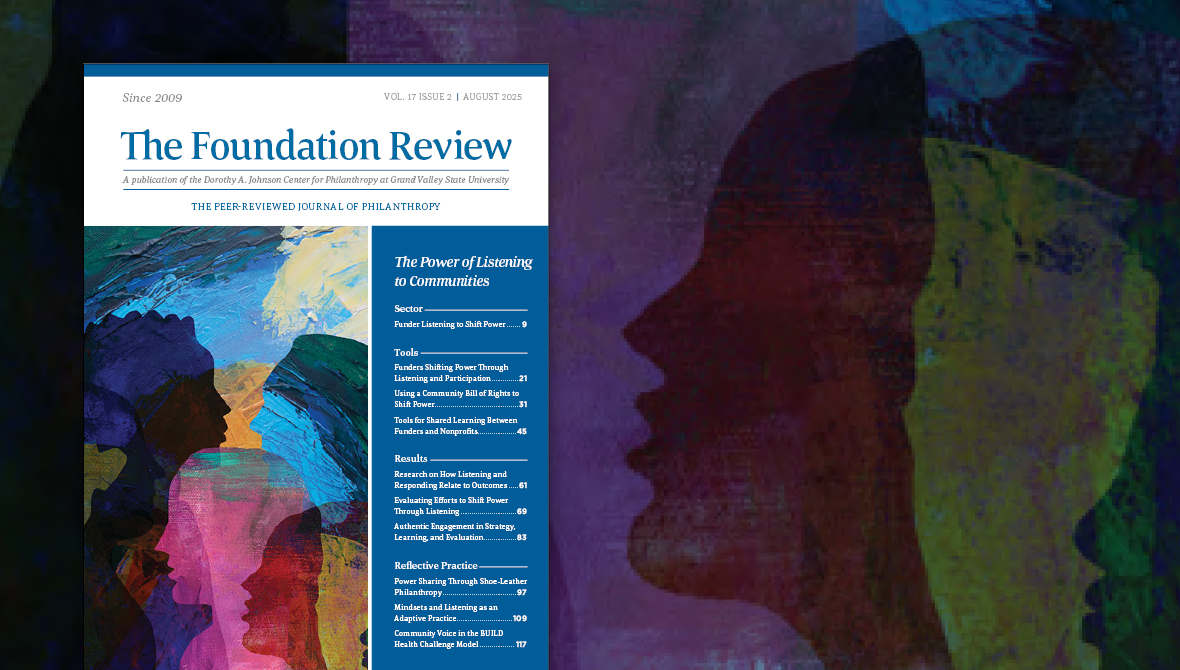
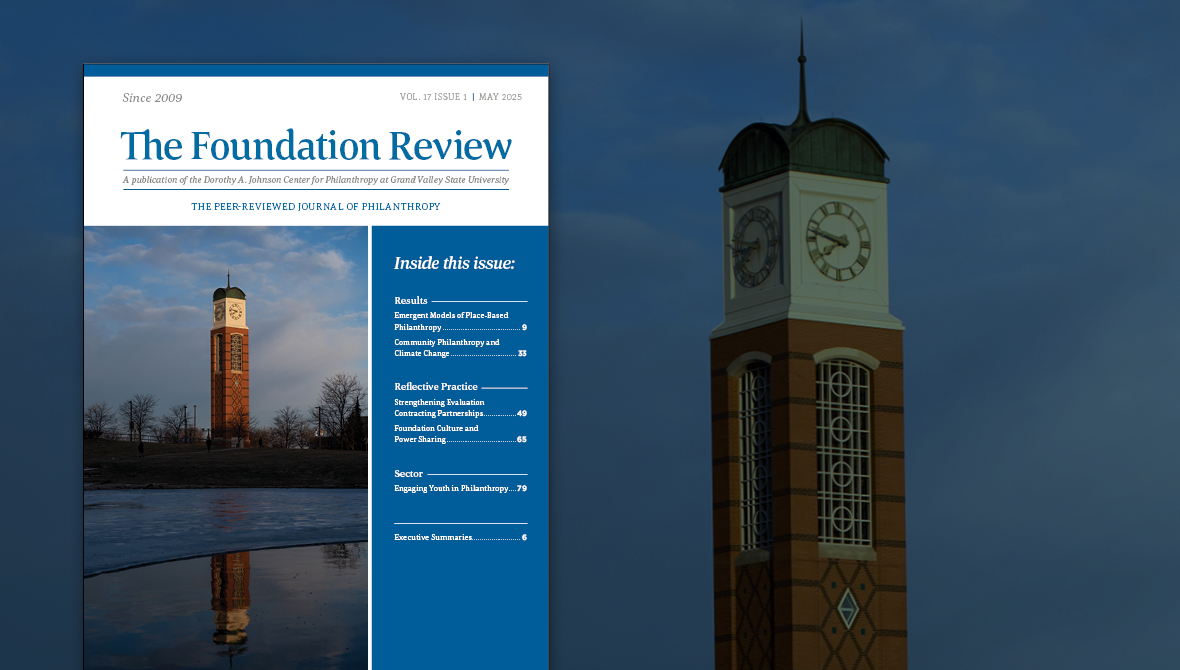
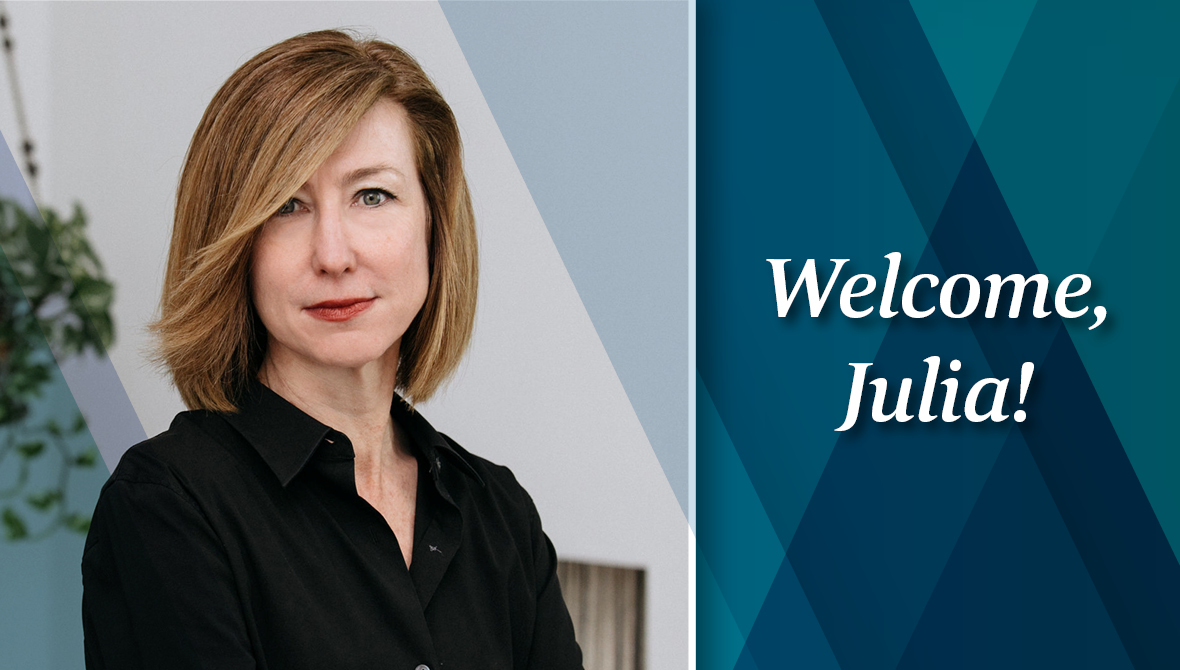
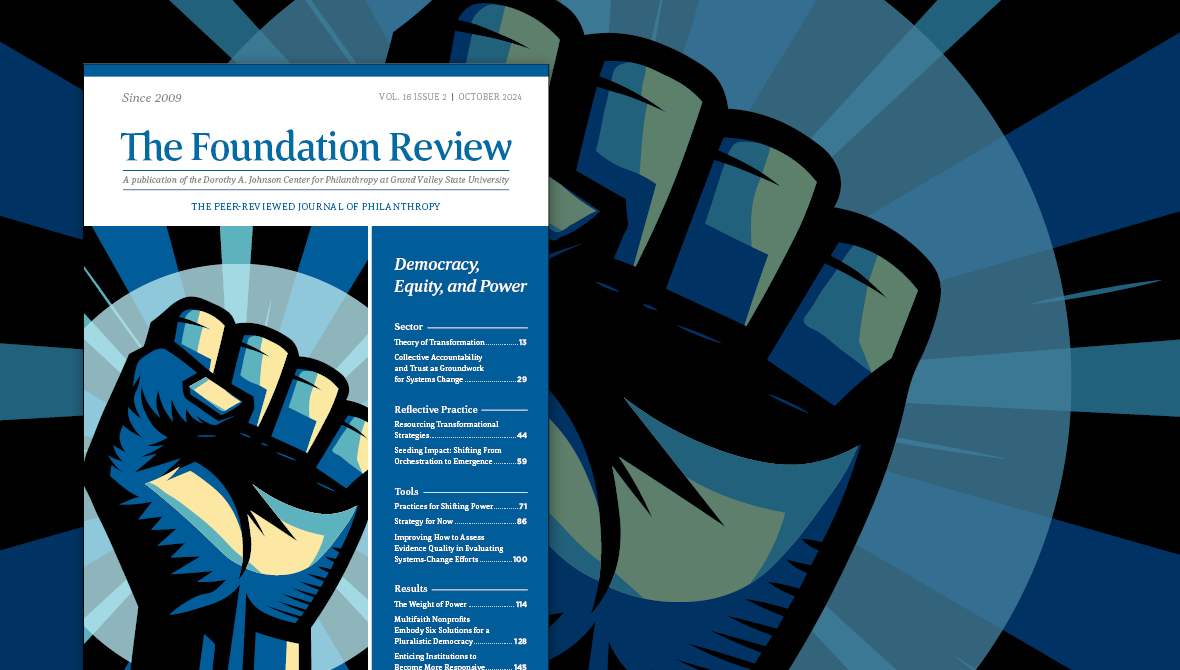
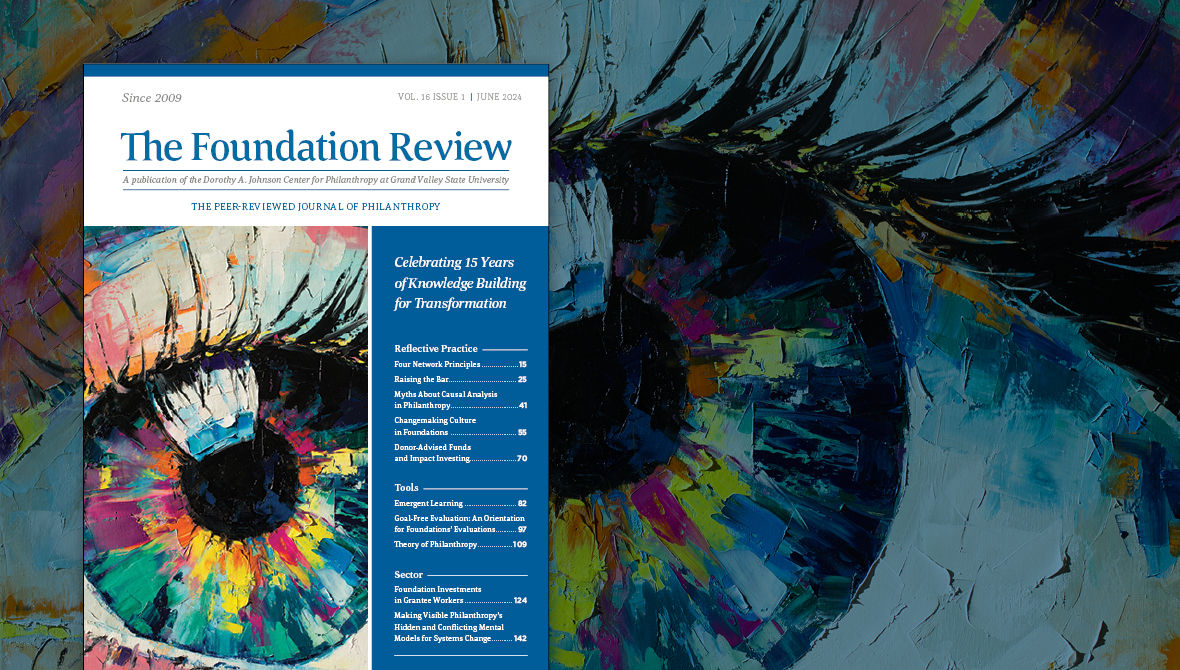
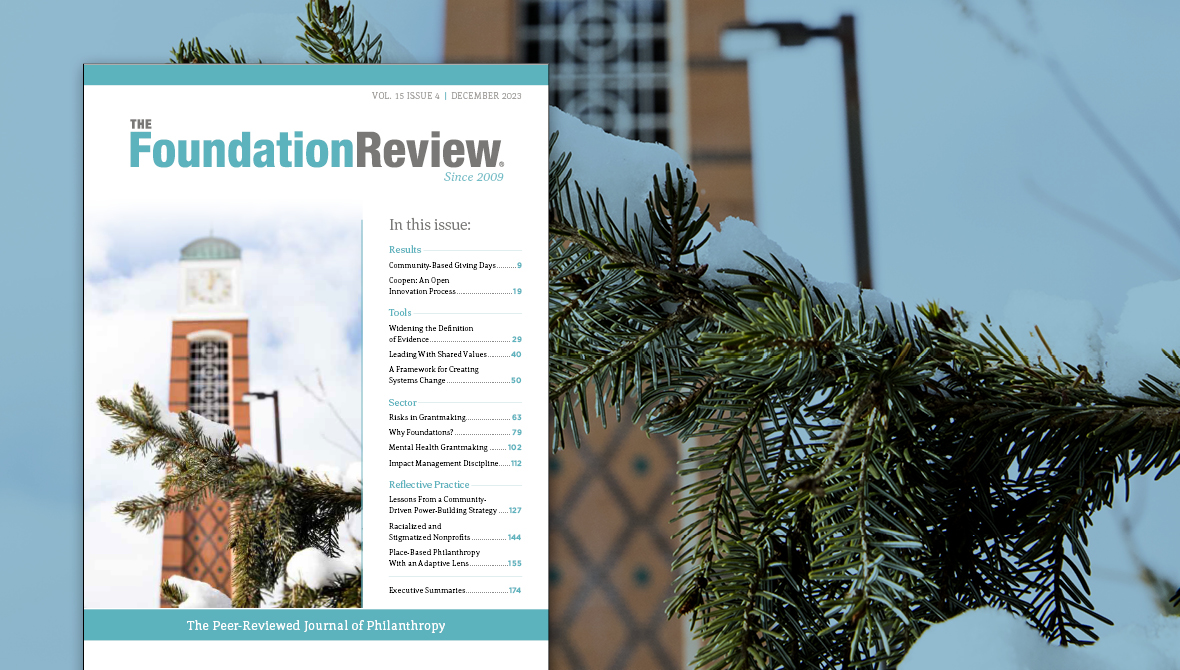
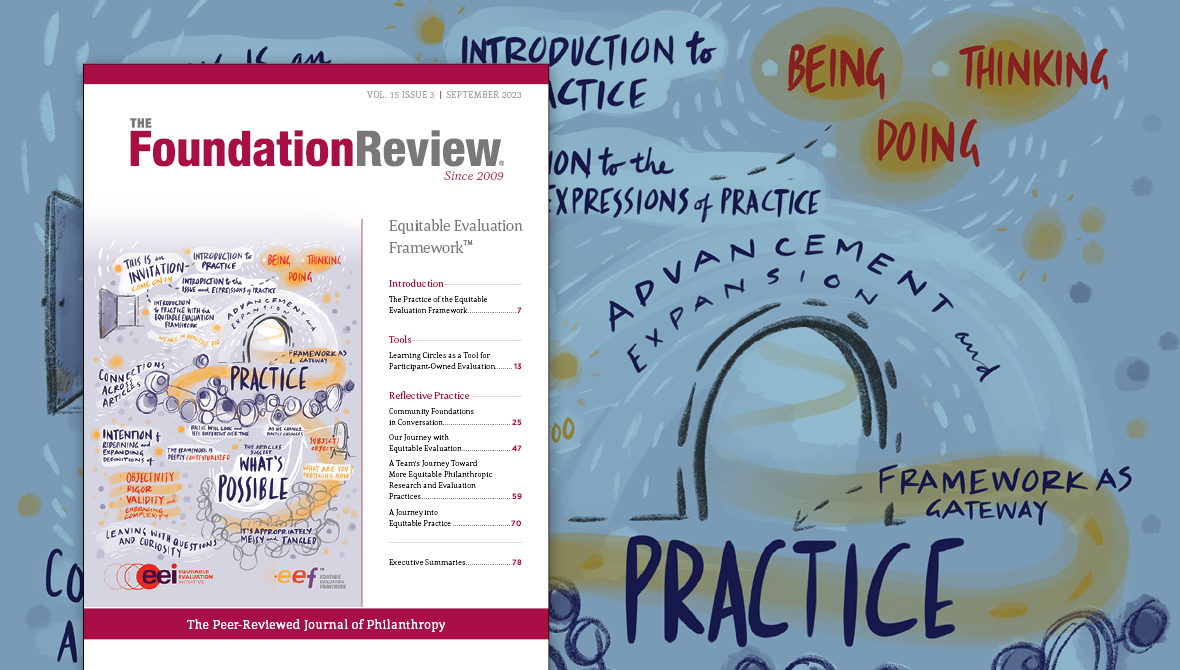
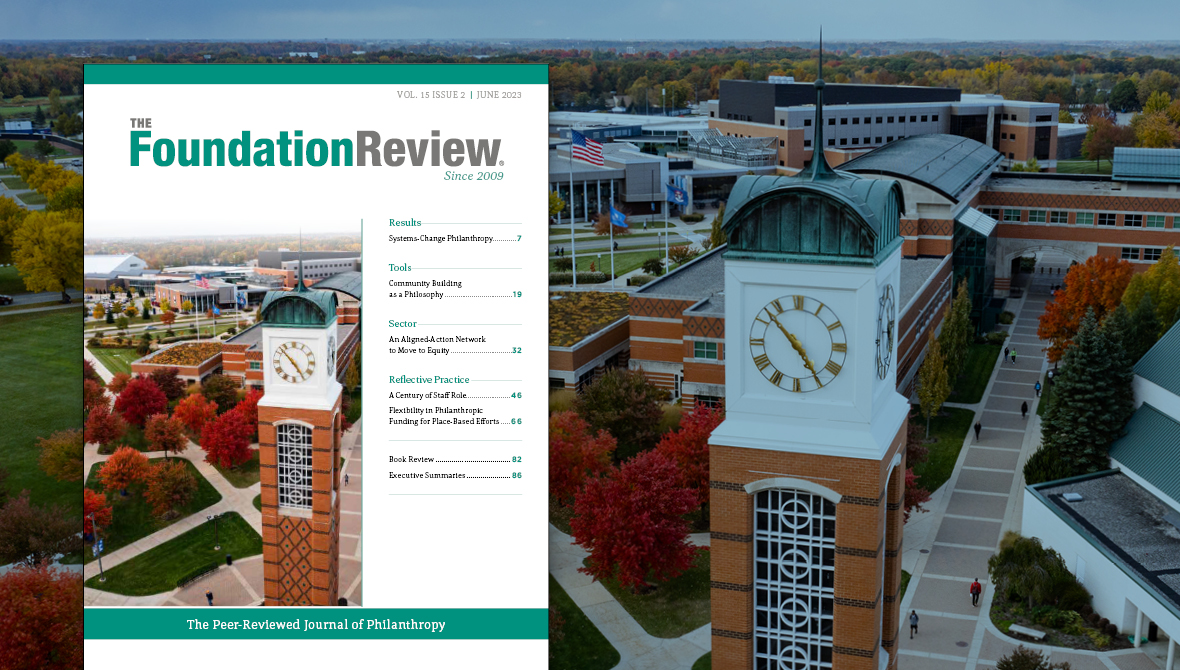
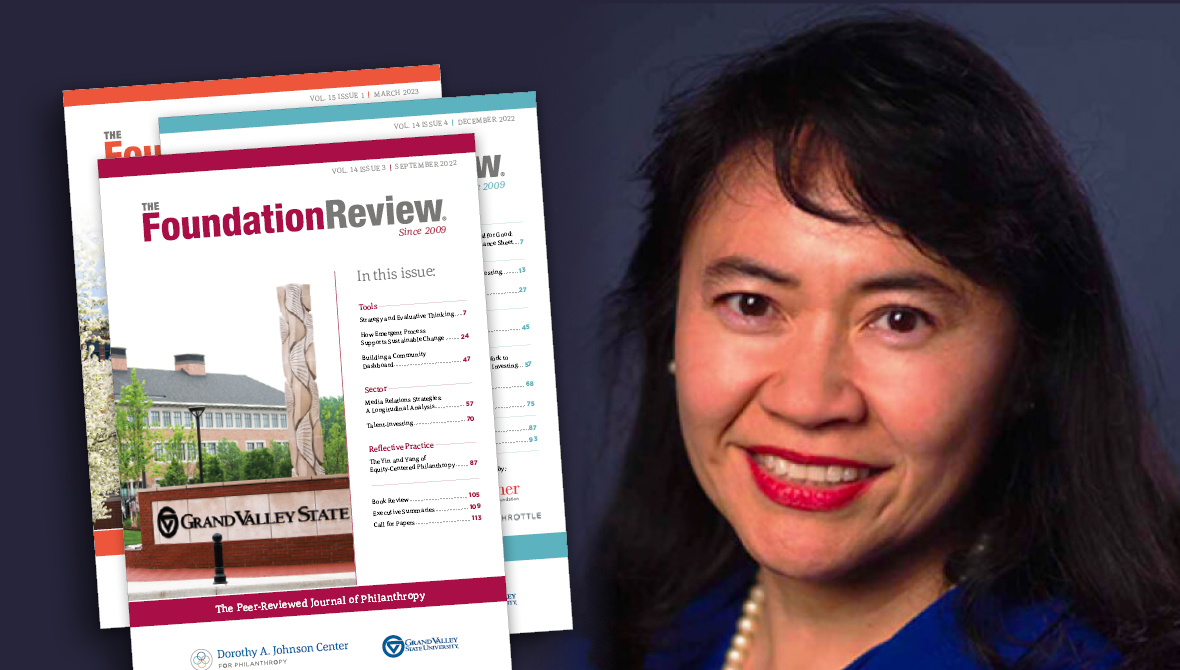
Julia Coffman, Editor-in-Chief
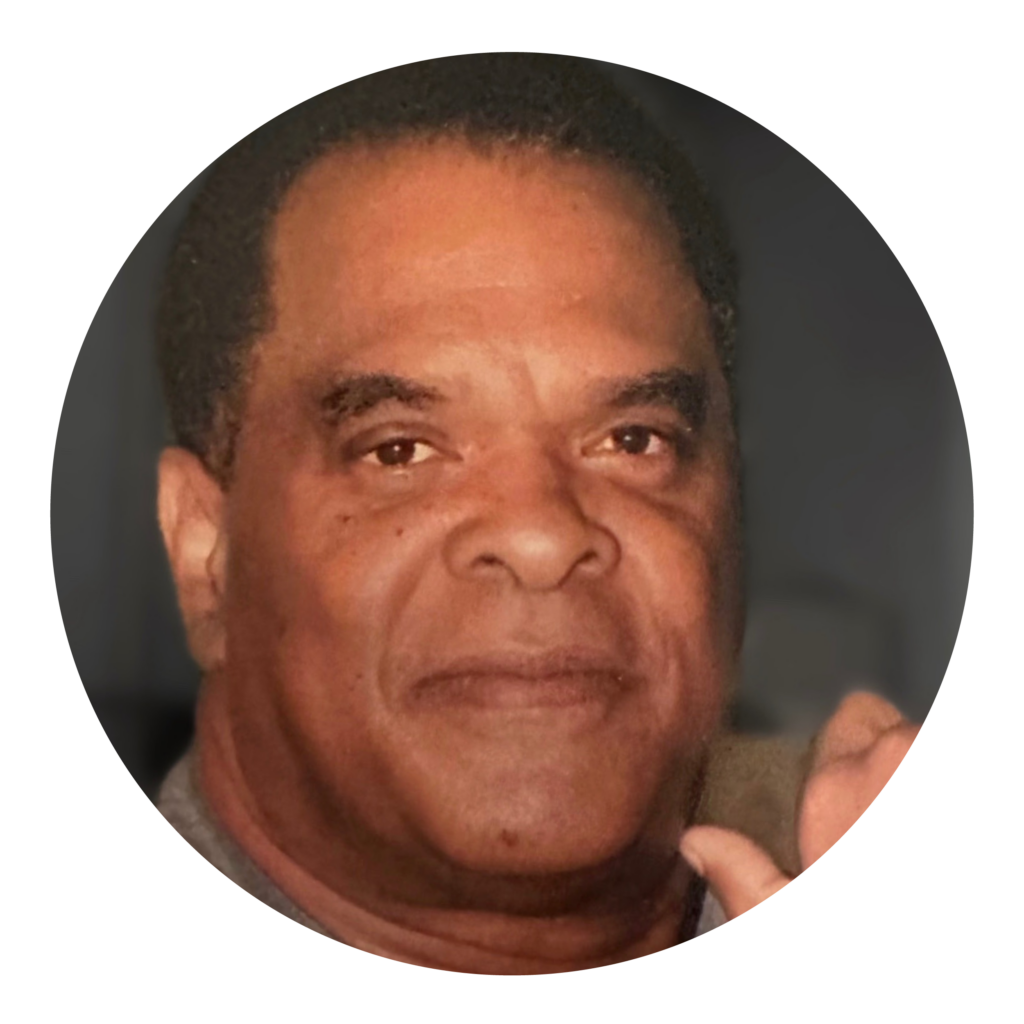
Ricardo Millett Author Equity Fund
A pioneer in the field of foundation evaluation, Ricardo Millett was the first person to hold the title of evaluation director at the W.K. Kellogg Foundation.
We’re honored to announce the creation of the Ricardo Millett Author Equity Fund at the Johnson Center. The fund aims to accelerate the diversification of authors, perspectives, and examples appearing in The Foundation Review by providing stipends and enhanced editorial support for authors from underrepresented communities and organizations.
This fund is made possible through the generosity of our 15th Anniversary Celebration Funders and Humanity United.
Sponsor an Issue
We regularly publish themed issues focusing on specific topics in philanthropy. Contact us to support the journal through sponsorship of a special issue.
Make a Gift
Show your support for the rigorous research and accessible writing of The Foundation Review with a financial contribution.
Readership Activity
This real-time readership activity map demonstrates the impact of the journal around the globe, where our readers are in the world, and which articles they’re downloading.