When we look to learn — about the sector itself, or about the work we do — it helps to find a variety of resources, stories, and perspectives already gathered in one place.
That’s what you’ll find in our collections — a wealth of related blog posts, research reports, videos, webinars, and more that can help you get a handle on a new topic or area of expertise with information and insights you can rely on.
Each year, the Johnson Center’s experts and thought leaders explore trends we expect to see impacting the field od philanthropy in the coming months and years.
Many of these trends trace back to a central question: what is the role of philanthropy in a democracy? Across our sector, in politics, in business, and in our communities, people are asking who has the responsibility — or the right — to tackle complex problems like poverty and climate change. How are our societies changing, and how are nonprofits and funders evolving in response to community needs and global crises?
These questions and others — about the value and use of data, about trust in our relationships, about philanthropy’s role in advancing equity — both shape and are shaped by larger, dynamic forces in our world and our work. Each 11 Trends in Philanthropy report is meant to help you anticipate and embrace what’s next.
We have published and annual 11 Trends in Philanthropy report every year since 2017. More than 100,000 readers have accessed the individual articles and resources shared in this collection.
Collective giving groups, often known as giving circles, have tripled in number since 2007 and are an increasingly popular way for donors from diverse backgrounds to amplify the impact of their giving.
Giving circles and other collaborative giving groups are made up of individuals who collectively donate money and sometimes unpaid time to support organizations or projects of mutual interest. Members have a say in how funding is given and which organizations or projects are supported.
Collective giving was a research focus of Jason Franklin, Ph.D., the inaugural holder of the W.K. Kellogg Community Philanthropy Chair. Jason conducted the research included in this Collection with collaborators in the Collective Giving Research Group: Jessica Bearman (Bearman Consulting), Julia L. Carboni, Ph.D. (Maxwell School of Citizenship and Public Affairs, Syracuse University), and Angela Eikenberry, Ph.D. (School of Public Administration, University of Nebraska at Omaha).
Collective giving groups are an increasingly significant philanthropic force, engaging a greater diversity of donors, including women, people of various ethnic and racial backgrounds, and donors of all wealth levels.
The Johnson Center conducts groundbreaking research as co-leaders of the Donor Advised Funds Research Collaborative (DAFRC).
Donor-advised funds (DAFs) are among the fastest-growing tools available to donors as a vehicle for managing their charitable giving. Research from state- and national-level analyses reveals more about the landscape of DAFs — including real data on contributions, payout rates, and asset sizes — to inform conversations and debates as leaders inside and outside our sector consider how philanthropic dollars are best activated when there is so much community need.
Also called spend-down or sunset philanthropy, limited-life philanthropy is a strategy in which philanthropic organizations deliberately plan to spend down their assets within a set timeframe, rather than operating in perpetuity.
For over 100 years, the most familiar form of institutional grantmaking in the U.S. has been the perpetual foundation — an organization created to exist and serve communities indefinitely into the future. But today, an increasing number of private and family foundations are choosing instead to set an end date for their existence.
Since 2017, the Johnson Center has been engaging with limited-life philanthropy across a range of initiatives — from a themed issue of The Foundation Review, to facilitating a peer-group of spend-down foundation executives, to launching a new course on the principles of limited-life philanthropy for foundations in 2026. As this segment of our sector grows, we are eager to learn, share, and engage with colleagues around the world.
A global perspective on philanthropy can inform more creative, equitable, and collaborative work.
Peoples, cultures, institutions, and places come together in countless ways all over the world to construct ecosystems of social good. Globally, these practices are often informed by Western philanthropic traditions and structures — but more often, they represent unique community expressions of what it means to do good for one another.
In this collection you will find resources and information about philanthropic practices worldwide, as well as perspectives from practitioners based outside the United States.
Inclusive growth, also known as an inclusive economy, occurs when all people in a community share in the benefits of economic growth.
Philanthropy can be a substantial driver for prosperity in communities by supporting strategies for economic inclusion and access in our cities, towns, and regions. In this collection, we explore the factors that make up a healthy local and regional economy, one that strives to be inclusive and innovative. Voices from across the sector consider the roles that donors, foundations, and nonprofits can play in creating a regional inclusive growth ecosystem, and share examples of where this work is taking root.
Inclusive growth initiatives will only be brought to scale when collaboration, long-term investments, and systems change are achieved at the local level. These resources aim to arm you with the information you need to move forward.
In this collection, you’ll find original blogs, articles, and author videos from The Foundation Review, as well as other resources produced to support inclusive growth initiatives.
The next generation of major donors promises to be the most significant group of philanthropists in history; shaping our world and our sector in profound ways.
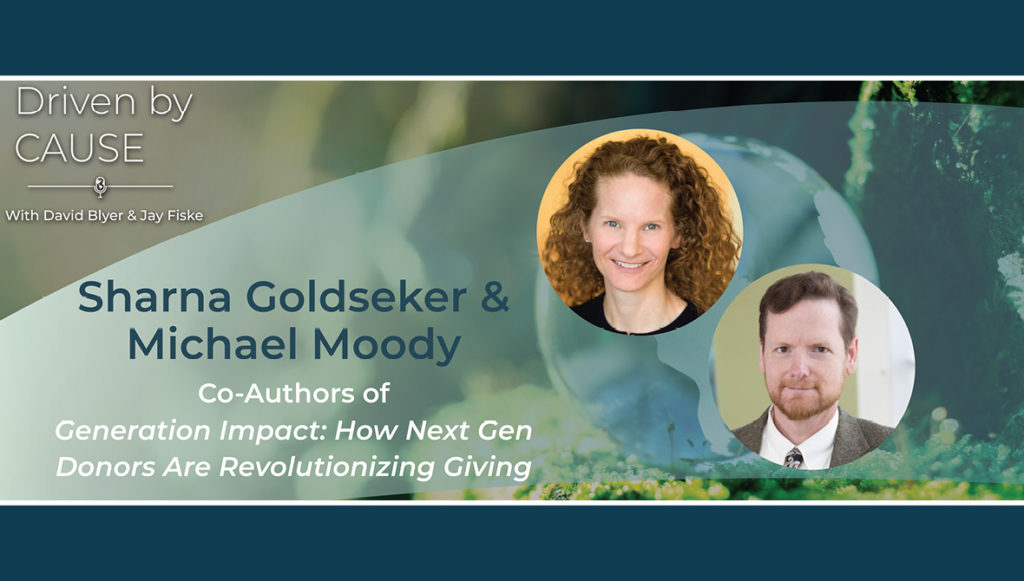
Gen Xers and millennials with a high capacity for giving — whether from inherited or earned wealth — have unprecedented financial resources and big ideas for how to wield their financial power in new ways. They plan to disrupt the traditional world of charitable giving, and they want to do so now, not after they retire to a life of philanthropic leisure.
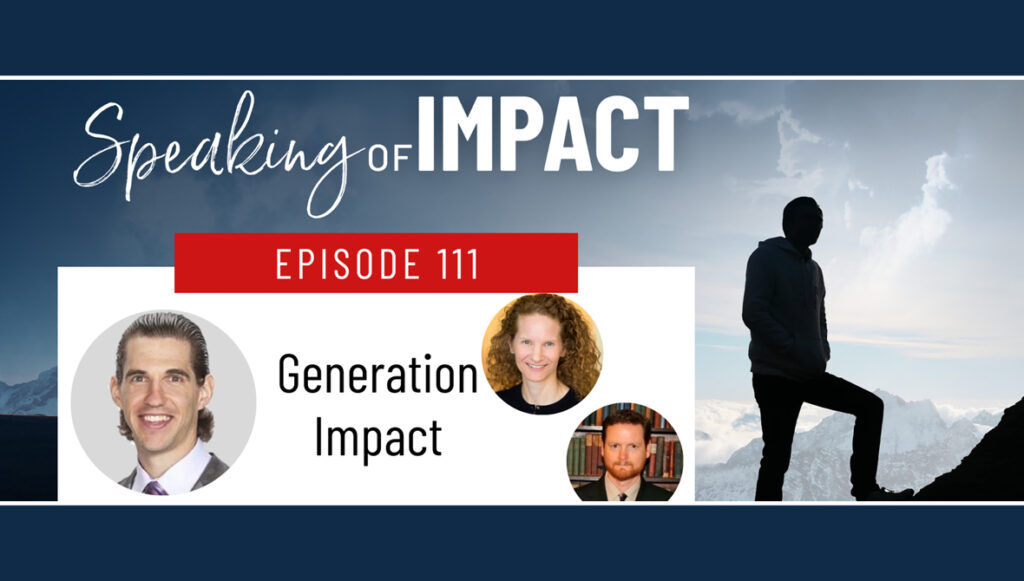
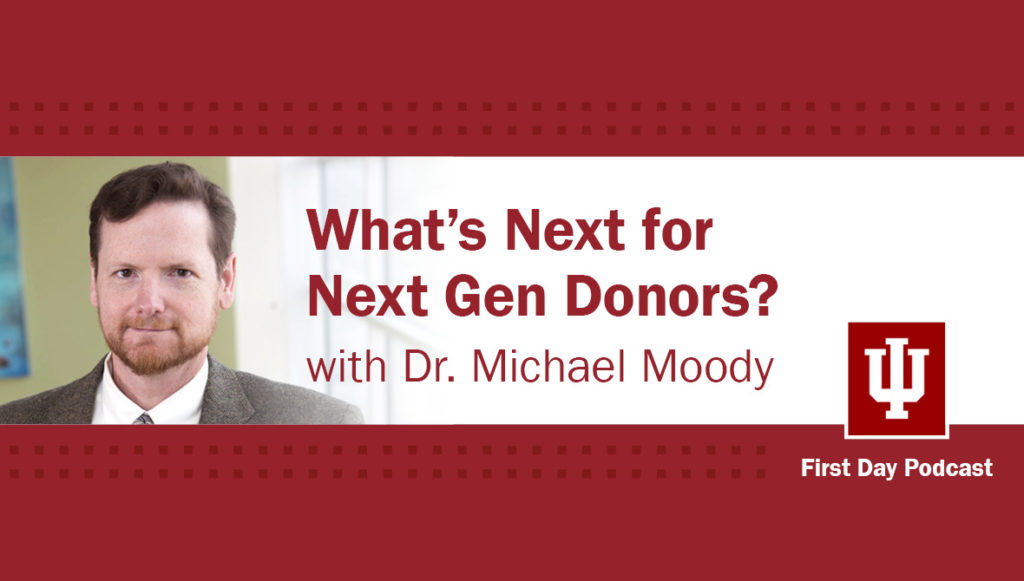
The Founding Frey Foundation Chair for Family Philanthropy, Dr. Michael Moody, partnered with Sharna Goldseker, founder of 21/64, on first-of-its-kind research on next gen donors. This work resulted in several reports as well as the best-selling book, Generation Impact: How Next Gen Donors Are Revolutionizing Giving.
This collection in clouds original research blog posts, articles, videos, and other resources on the topic of next generation donors.
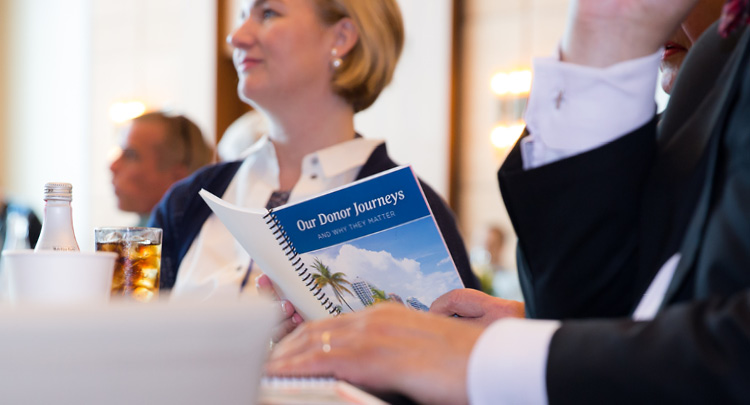
Every giving family has a story to tell about their philanthropic path and past. While these experiences are shared across family philanthropy in many ways, no two donor journeys are exactly alike.
A donor’s journey deeply influences that donor’s giving, values, strategies, knowledge, skills, and ultimately, impact. As a field, we need to learn more about what goes into a successful donor journey and actively share these lessons with family donors of every sort.
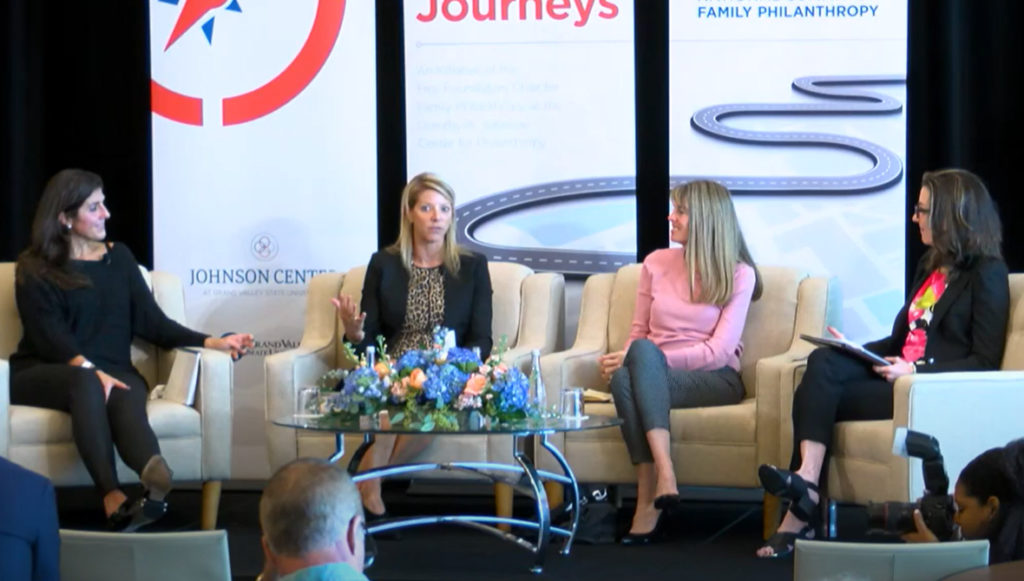
The Donor Journeys Initiative is an integrated suite of projects produced by the Founding Frey Foundation Chair for Family Philanthropy. Each element of the initiative seeks to evaluate and analyze donor journeys, advancing family philanthropy’s understanding and maximization of diverse donor journeys in specific and complementary ways.
This initiative was led by the Founding Frey Foundation Chair for Family Philanthropy, Dr. Michael Moody.
© 2026 Dorothy A. Johnson Center for Philanthropy. All rights reserved.
201 Front Ave SW, Suite 200, Grand Rapids, Michigan 49504 | (616) 331-7585 | jcp@gvsu.edu